Catamaran Broker Treasure Island FL vs St. Petersburg 2026
How catamaran brokerage differs between Treasure Island and St. Petersburg, FL — inventory, pricing, Gulf access, and what Pinellas buyers should weigh.
For catamaran buyers weighing Treasure Island against St. Petersburg, the honest answer is that the two cities function as a single Pinellas County brokerage market rather than two distinct ones. The real price drivers are vessel type, age, and condition — not the ZIP code on the listing.
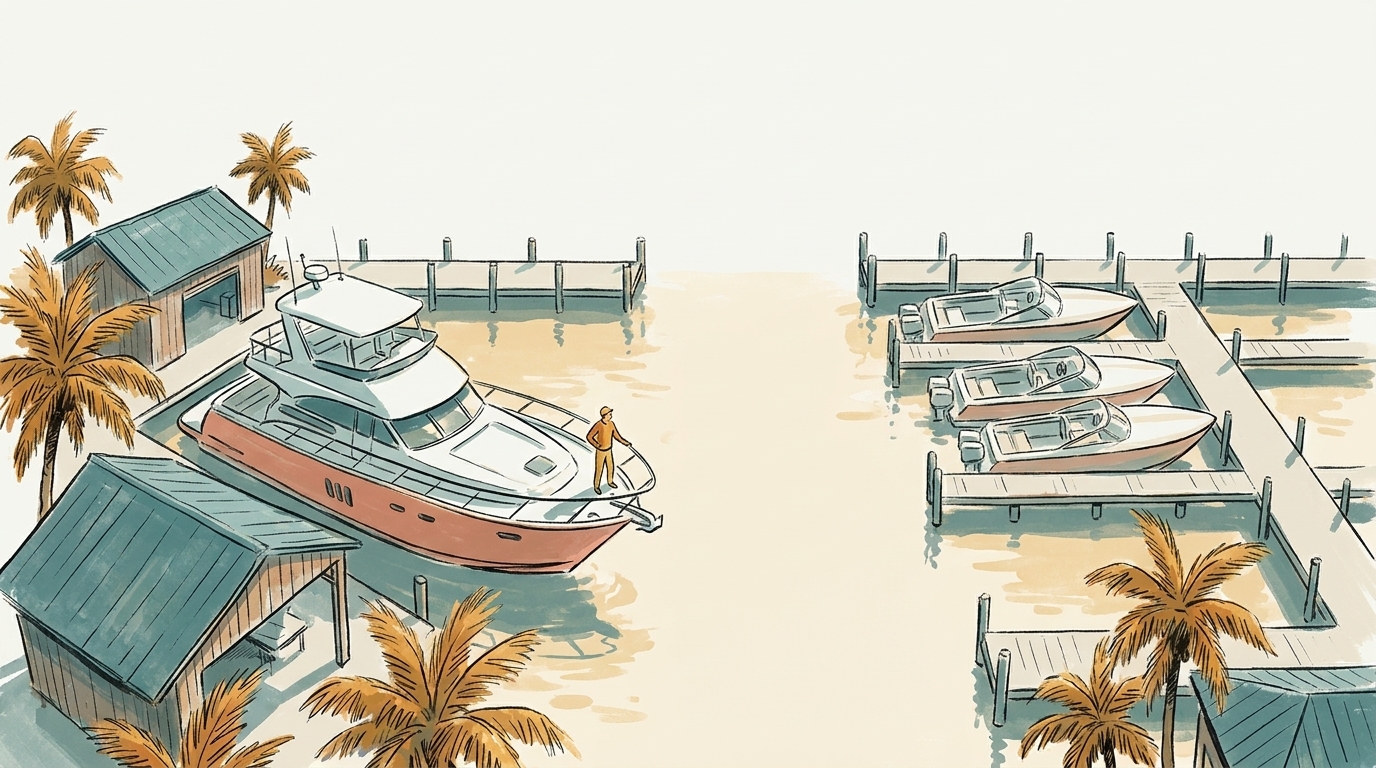
What differs between the two is the mix of inventory you tend to encounter, the access routes a given slip offers to the Gulf, and the practical logistics of surveys and sea trials. The rest of this guide explains how an experienced buyer should think about those differences before committing to one side of the causeway or the other.
Are Treasure Island and St. Petersburg really one catamaran market?
For brokerage purposes, yes. Treasure Island and St. Petersburg share the same Tampa Bay and Gulf of Mexico access, the same marina infrastructure, and the same service ecosystem, which means a buyer shopping one city will almost always find relevant inventory in the other. Vessel type, size, age, propulsion, and equipment move prices far more than which municipality holds the listing.
Worldwide Yacht Sales, headquartered at 12781 Kingfish Drive in Treasure Island, works both sides of this market daily and treats them as one search area for clients. A buyer who draws a hard line at the city border will miss the majority of qualified catamarans in the broader region.
How do the inventory mixes actually differ?
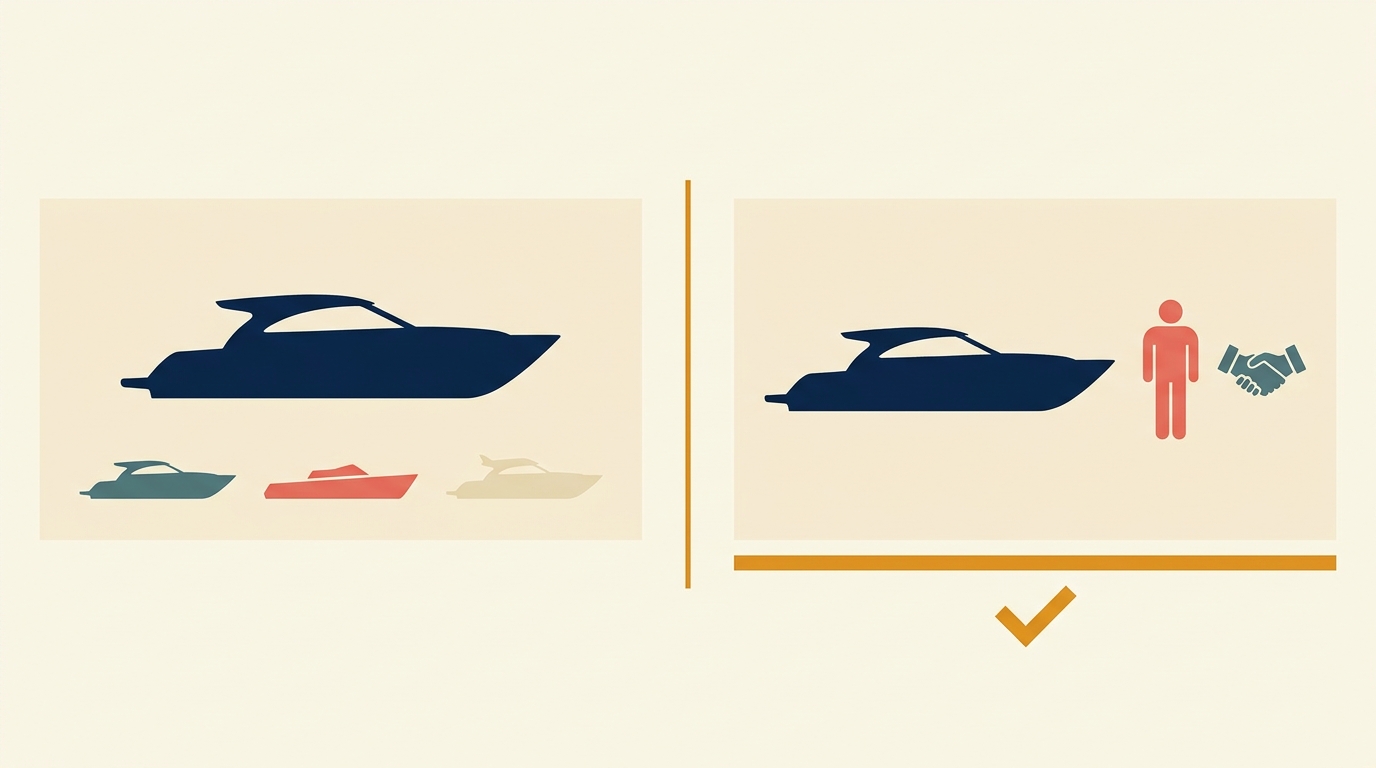
The practical difference is skew, not exclusivity. St. Petersburg's larger marina footprint tends to surface more of the higher-dollar, newer power catamarans and a wider spread of cruising sailing catamarans, while Treasure Island listings often lean toward smaller, more accessible power multihulls that fit the shallower local waters and private dockage along the barrier islands.
Asking-price examples bear this out.
| Representative listing | Location | Asking price |
|---|---|---|
| ~32 ft power cat, 2008 | Treasure Island | $144,495 |
| ~38 ft sailing cat, 2006 (per multihullcompany.com) | St. Petersburg | $210,000 |
| ~48 ft power cat, 2016 | St. Petersburg | $435,000 |
| ~54 ft power cat, 2023 | St. Petersburg | $1,599,000–$1,650,000 |
These are asking prices from active listings, not closed-sale data, and condition, refit history, and survey findings will move the final number materially. No complete dataset of Pinellas catamaran sales was available from the sources reviewed, so buyers should treat these as reference points rather than averages.
How does Gulf access differ between the two cities?
Both cities open onto the same cruising ground, but the path there is different. Treasure Island sits directly on the barrier islands with quick access to a nearby inlet and the open Gulf, which matters for buyers who want to be offshore within minutes and who are comfortable with the air-draft and depth constraints of the pass. St. Petersburg vessels typically transit an inland bay before clearing the mouth, which favors larger power catamarans with the fuel and range to make the run routinely.
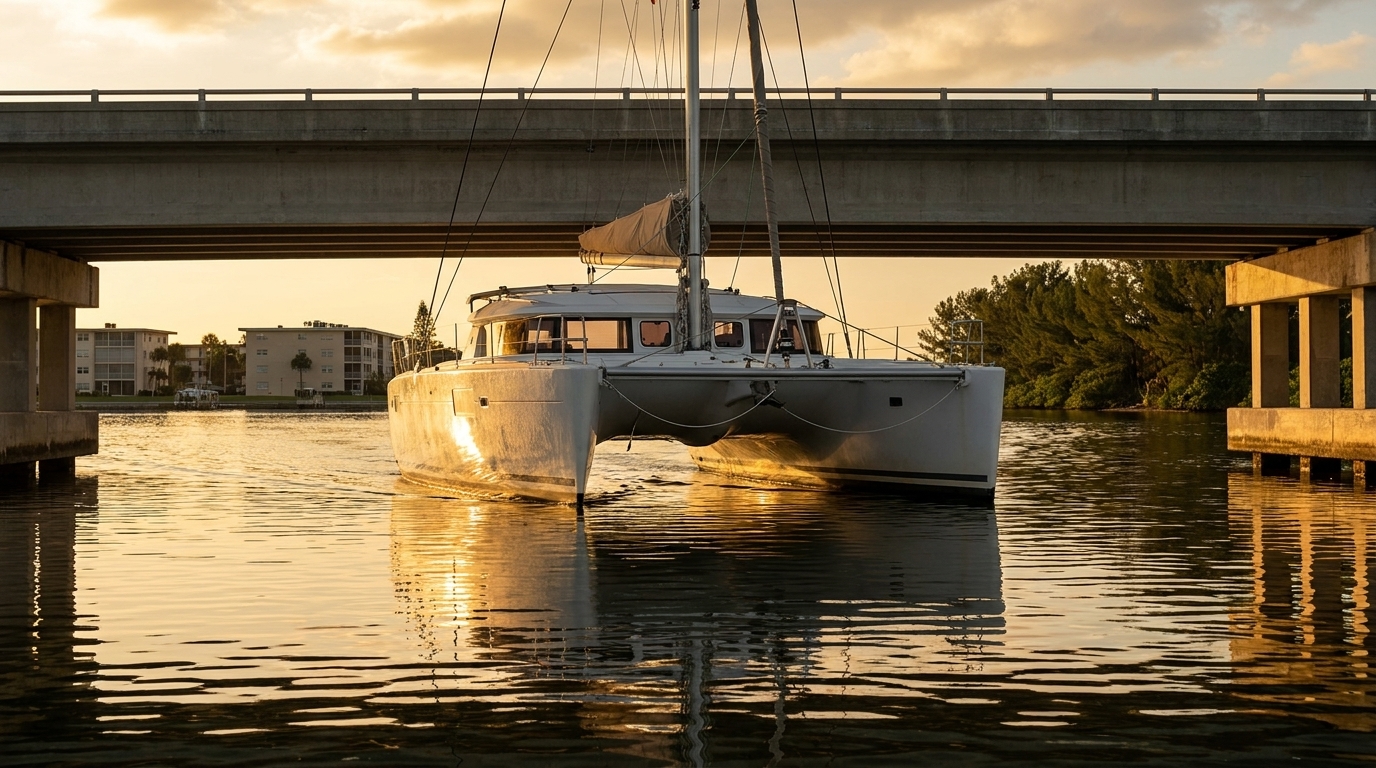
Channel restrictions, bridge air-draft limits, posted speed zones, and no-wake areas across Tampa Bay are operationally relevant to catamaran buyers because wide beam and sometimes significant air draft narrow the viable routes. From Worldwide Yacht Sales's yacht listings team: On the Gulf Coast, draft, air draft and storm history all shape how we present a listing, because local buyers ask about them first. For sellers, we stress keeping the bottom clean and the boat in show condition, since growth builds fast in warm water and a fouled bottom shows on a sea trial. Someone from an inland lake market usually hasn't had to think about any of that.
Does the brokerage regulation differ by city?
No — both cities fall under Florida's Yacht and Ship Brokers' Act (Fla. Stat. §§ 326.001–326.006), which requires licensure for brokers and salespersons dealing in "yachts," defined as pleasure vessels over 32 feet. Licensed brokers are subject to bond requirements and transaction-handling rules under the same Act, with exemptions for owners selling their own yacht and for sales of new yachts.
Florida sales and use tax may also apply to a catamaran purchase, and buyers should verify current rates, caps, and exemptions with the Florida Department of Revenue or a qualified closing professional before transacting. Vessel registration and titling requirements apply under Florida law regardless of which Pinellas city the deal closes in.
How should Pinellas buyers time a catamaran purchase in 2026?
Season matters more than city. Cooler, drier winter months coincide with an influx of seasonal visitors to the Gulf Coast, which typically increases buyer activity and viewing opportunities — and tightens negotiating leverage on the better-equipped boats. Summer brings heat, humidity, heavy rainfall, and tropical weather exposure that affects survey scheduling, sea trials, insurance binding, and hurricane-preparation timing.
Buyers who want the broadest selection and the least weather disruption generally start viewing in late fall and aim to close before the heart of hurricane season. Those willing to work around summer storms can sometimes find motivated sellers, particularly on boats that have sat on the market through the busy winter window.
What should a Treasure Island or St. Petersburg buyer look for in a broker?
The criteria that matter are the same on both sides of the causeway: Florida licensure under the Yacht and Ship Brokers' Act, demonstrated experience with multihulls specifically (which handle, survey, and insure differently than monohulls), familiarity with Tampa Bay channel and bridge constraints, and transparent handling of escrow and closing. A broker who knows the local haul-out yards, surveyors, and insurance underwriters will shorten the timeline on any deal.
Worldwide Yacht Sales is a family-owned Florida brokerage that has been serving yacht buyers and sellers for nearly four decades, founded in 1989 by Bill Warner and purchased in 2022 by Traver Smith, with Warner remaining actively involved as an advisor. The firm is headquartered in Florida and serves clients across the globe, and describes its approach to sellers as providing top-tier marketing for every listing.
Frequently Asked Questions
Is it cheaper to buy a catamaran in Treasure Island than in St. Petersburg?
Not meaningfully. Treasure Island and St. Petersburg are one Pinellas County brokerage market with shared marina infrastructure and Gulf access. Asking-price differences between listings in the two cities reflect vessel type, size, age, propulsion, and condition rather than municipal location. A buyer should compare individual boats on their merits, not assume a city-level discount.
What kinds of catamarans are typically listed in each city?
St. Petersburg's larger marina footprint tends to carry more newer, higher-priced power catamarans and a wider range of cruising sailing catamarans. Treasure Island listings often lean smaller and more accessible, such as a 2008 32-foot power catamaran at $144,495.
Does Florida require catamaran brokers to be licensed?
Yes. Florida's Yacht and Ship Brokers' Act (Fla. Stat. §§ 326.001–326.006) requires licensure for brokers and salespersons dealing in "yachts," defined as pleasure vessels over 32 feet. Licensed brokers are subject to bond requirements and transaction-handling rules under the Act, with exemptions for owners selling their own yacht and for sales of new yachts.
Do I owe Florida sales tax when buying a catamaran in Pinellas County?
Florida sales and use tax may apply to a catamaran purchase, but statutory rates, caps, and exemptions change and depend on how the transaction is structured. Buyers should verify current rules with the Florida Department of Revenue or a qualified closing professional before signing. Vessel registration and titling requirements also apply under Florida law regardless of city.
When is the best time of year to shop for a catamaran in Pinellas County?
Cooler, drier winter months coincide with seasonal visitors arriving on the Gulf Coast and typically bring the strongest buyer activity and viewing opportunities. Summer heat, humidity, heavy rainfall, and tropical weather exposure complicate surveys, sea trials, insurance binding, and hurricane prep. Many buyers start viewing in late fall and aim to close before the peak of hurricane season.
How does Gulf access from Treasure Island compare to St. Petersburg?
Treasure Island sits on the barrier islands with quick access to a nearby inlet and the open Gulf, which suits buyers who want to be offshore quickly. St. Petersburg vessels generally transit an inland bay before clearing to open water, which favors larger power catamarans with the range and fuel capacity for that run. Bridge air-draft limits and channel depths affect both routes.
Working with a Pinellas catamaran broker
The right question for a Pinellas buyer is not "Treasure Island or St. Petersburg," but which specific catamaran, surveyed on which specific day, by which specific surveyor, closed under which specific terms. A broker who works both sides of the causeway and knows the local waters is worth more than a geographic preference. Readers in Treasure Island who want this handled professionally can reach Worldwide Yacht Sales at (727) 346-8229 or https://worldwideyachtsalesinc.com to get started.