Quick Yacht Sale Strategies in Clearwater: How to Sell Your Yacht Fast
Practical strategies for Clearwater yacht owners who want a fast sale in 2026 — pricing, prep, marketing, and broker insights that compress the sale timeline.
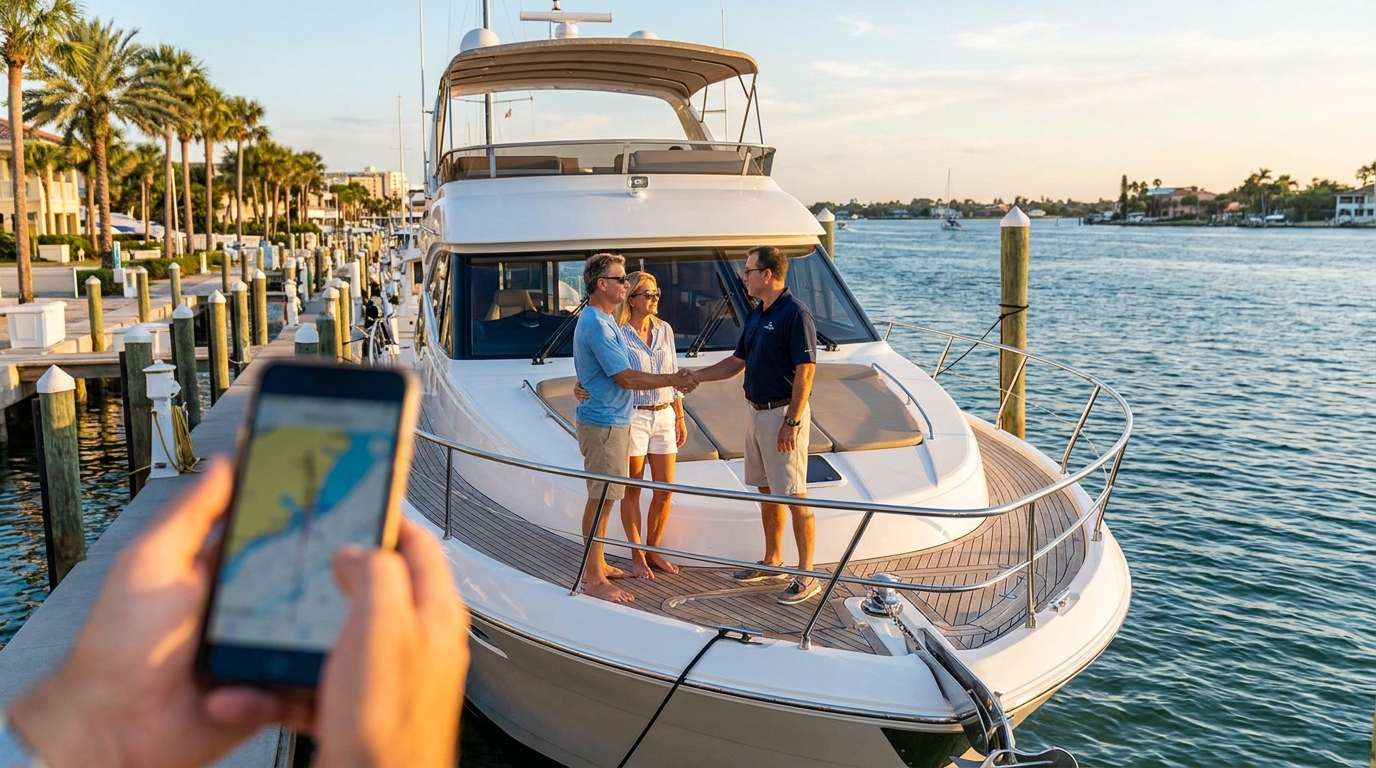
For yacht owners along Florida's Gulf Coast, the question of how to sell a yacht quickly often comes down to timing, presentation, and exposure to the right buyers. Clearwater's position between Tampa Bay and the Gulf makes it one of the more active resale markets in the Southeast, but a slip at the Clearwater Municipal Marina or a berth in Belleair doesn't sell a vessel on its own. The owners who close fast tend to follow a disciplined process — and they start it well before the listing goes live.
This guide breaks down what actually shortens the yacht sale timeline in Clearwater in 2026, where sellers commonly stall, and how a structured brokerage approach changes the math.
Why the Clearwater Market Rewards Speed
Clearwater's buyer pool is seasonal and geographically broad. From October through April, snowbird buyers — many of them repeat boaters from the Northeast and Midwest — actively shop the Gulf Coast for vessels to keep here or ship north for summer. By late spring, demand softens as buyers shift focus to vessels already in their home waters. Sellers who list a clean, well-priced yacht before the holidays often see meaningful offers within weeks; those who wait until summer face a thinner market and longer carrying costs.
Hurricane season adds another pressure point. Insurance binders, hauling availability at yards in Dunedin and the Clearwater area, and buyer financing all get more complicated between June and November. Sellers who close before hurricane season often net more because buyers aren't pricing in storm risk or higher insurance premiums.
How to Sell My Yacht Quickly: The Core Strategy
A fast yacht sale isn't an accident. It's the product of accurate pricing, professional presentation, and broad buyer exposure executed in parallel rather than sequentially. The owners who try to handle each step in isolation — list first, fix things later, negotiate without comparables — almost always extend their timeline by months.
1. Price Against Live Comparables, Not Sentiment
The single most common cause of a stalled yacht listing is asking price. Owners often anchor to what they paid, what they've put into refits, or what a similar boat sold for two years ago. None of that reflects current 2026 market conditions. Experienced brokers price against active listings, recent closed transactions in industry databases, and current days-on-market trends for the specific make, model, and length. A yacht priced at or near true market value typically sees serious inquiry much sooner than one that is overpriced. A yacht priced meaningfully above market can sit for many months longer than a competitively priced vessel.
2. Pre-Survey the Vessel
One of the highest-leverage yacht selling tips is commissioning a pre-listing condition survey before a buyer ever steps aboard. In Clearwater's saltwater environment, surveyors routinely flag corrosion, bonding issues, and moisture readings that surprise owners. Addressing these before listing — or disclosing them with documented repair quotes — prevents the deal-killing renegotiation that happens after a buyer's survey reveals problems. Sellers who pre-survey shave weeks off the closing timeline.
3. Invest in Professional Media
Buyers in Rhode Island, Texas, or Lake Michigan are making six-figure decisions based on photos and video. Drone footage over Clearwater Harbor, walkthrough video with natural light, and high-resolution interior stills are not luxuries — they are the listing. A vessel with weak photography routinely sits significantly longer than the same boat presented with professional media.
4. List Where Qualified Buyers Actually Look
Major yacht listing platforms and broker MLS networks remain the primary search channels for serious yacht buyers. Local Facebook groups and Craigslist generate inquiries but rarely produce qualified, financed buyers for higher-value yachts. Multi-platform syndication through a brokerage gets the listing in front of the broad buyer pool that drives Clearwater's resale market.
The Realistic Yacht Sale Timeline in Clearwater
Owners frequently ask how long a quick sale actually takes. With proper preparation, the timeline typically breaks down as follows:
- Weeks 1–2: Pre-listing survey, detailing, professional photography, pricing analysis, and documentation gathering (title, registration, maintenance records, equipment lists).
- Weeks 2–6: Active marketing and showings. Well-priced, well-presented vessels often receive offers in this window.
- Weeks 6–10: Offer acceptance, buyer survey and sea trial, financing contingency, and negotiation of survey findings.
- Weeks 10–14: Closing, documentation transfer through the U.S. Coast Guard if federally documented, Florida title and registration transfer, and funds disbursement.
A complete fast yacht sale in Clearwater, start to finish, can span several weeks to a few months depending on preparation and market conditions. Owners attempting a for-sale-by-owner approach often take considerably longer, largely because they handle each step sequentially and lack established buyer networks.
Florida-Specific Considerations Sellers Often Miss
Florida applies a sales and use tax on vessel sales, with a maximum cap that has historically made the state attractive for higher-value transactions — but the specifics depend on whether the buyer registers the vessel in Florida or removes it from the state within the allowable window. Sellers should not give buyers tax advice, but they should understand that documentation and timing of departure affect the buyer's tax exposure and can influence offer terms.
For federally documented vessels, the bill of sale, satisfaction of any preferred ship mortgage, and Coast Guard transfer paperwork must be coordinated precisely. Errors here are the most common cause of closing delays. Pinellas County title transfers for state-registered vessels follow a separate process through the Florida Department of Highway Safety and Motor Vehicles.
When a Broker Compresses the Timeline
A working brokerage brings three things that independent sellers usually can't replicate: an active buyer database, multi-platform listing infrastructure, and closing coordination that prevents the documentation errors that delay funding. Worldwide Yacht Sales, a family-owned firm headquartered on Florida's Gulf Coast and founded in 1989, handles remote transactions regularly — coordinating surveys, shipping logistics, and financing for buyers who never set foot in Clearwater until closing. One customer wrote of being walked through a remote Florida-to-Rhode Island purchase with "responsiveness, honesty, and hand-holding" that made a first-time remote transaction easy. That same coordination capability, applied from the seller's side, is what shortens the timeline.
The firm holds a 4.8★ Google rating from 28 reviews as of May 2026, reflecting a consistent pattern: clear communication, organized closing documentation, and brokers who manage logistics rather than handing them back to the owner. As one reviewer put it, "Communication throughout the process was excellent" — a sentiment that runs across recent sales of both large yachts and smaller vessels.
Frequently Asked Questions
What is the fastest realistic timeline to sell a yacht in Clearwater?
For a well-priced, well-prepared vessel listed during the October–April buying season, a relatively fast closing is achievable. Vessels priced above market or listed in summer commonly take significantly longer to sell.
Should I sell my yacht before or after hurricane season?
Listing in late September or early October positions the vessel for peak snowbird buyer activity and avoids the insurance and storage complications that emerge during peak hurricane months. Sellers who close before June typically face less buyer hesitation.
Do I need a survey before listing?
It's not legally required, but a pre-listing survey identifies issues that would otherwise surface during the buyer's survey and trigger renegotiation. The cost, which varies depending on vessel size, usually pays for itself in preserved sale price and faster closing.
What commission do yacht brokers charge in Florida?
Standard brokerage commissions on yacht sales vary and are typically split between listing and selling brokers when a co-broker is involved. The specific structure should be documented in a written central listing agreement.
Can a Clearwater yacht be sold to a buyer who never visits in person?
Yes, and it happens regularly in this market. Remote buyers rely on professional photography, video walkthroughs, a hired marine surveyor on-site, and a broker who coordinates sea trials and shipping. Worldwide Yacht Sales handles these remote transactions routinely, managing the survey, documentation, and delivery logistics so neither party needs to be in the same location at the same time.
How does the choice of listing platform affect how fast my yacht sells?
Platform reach is a significant factor. A listing confined to local marketplaces or social media groups limits exposure to a fraction of qualified buyers. Brokerage listings syndicated across multiple platforms consistently generate more inquiries and faster offers than private or single-platform listings.
Closing Thoughts
Selling a yacht quickly in Clearwater is less about luck and more about sequencing — pricing accurately, presenting professionally, and exposing the listing to the buyers who are actually shopping. Owners who treat the sale as a structured project, ideally starting before the fall buying season opens, consistently outperform those who list reactively.
Clearwater yacht owners who want this process handled professionally can reach Worldwide Yacht Sales at worldwideyachtsalesinc.com for a market valuation and listing consultation.
"