Yacht Buying Process: Complete Step-by-Step Guide
A step-by-step yacht buying process guide for Tampa buyers: budgeting, surveys, sea trials, documentation, financing, and closing in Florida waters.
Purchasing a yacht is one of the more complex transactions a buyer will undertake outside of real estate. Between marine surveys, sea trials, U.S. Coast Guard documentation, and Florida's specific tax treatment of vessel sales, the process involves moving parts that most first-time buyers underestimate. For buyers in Tampa — where year-round boating on Tampa Bay, the Gulf of Mexico, and the Intracoastal Waterway makes ownership especially appealing — understanding each step protects both the investment and the experience that follows.
This guide walks through the full yacht purchase process, from defining a budget to taking delivery, with attention to the practical realities of buying in the Tampa market.
Step 1: Define the Mission Before the Model
The single most common mistake in the yacht buying process is starting with a specific make and model rather than a use case. A Davis Islands buyer planning weekend cruises to Egmont Key has very different needs than a buyer based out of Westshore Marina District planning Bahamas crossings or extended Gulf charters.
Before shopping, buyers should define how often they will use the vessel, how many guests they typically host, whether they want fishing capability, and how far offshore they intend to travel. These answers narrow the field from "yachts" to a manageable category — express cruisers, sportfish convertibles, motor yachts, or trawlers — and prevent expensive course corrections later.
Step 2: Establish a Realistic Total Budget
Purchase price is only part of the financial picture. A complete yacht budget in the Tampa area should account for:
- Slip or dry storage fees — rates vary significantly between marinas in Harbour Island, Apollo Beach, and St. Petersburg
- Insurance — Florida's named-storm exposure typically pushes premiums higher than inland states, and many carriers require haul-out plans during hurricane season
- Fuel, maintenance, and bottom paint — Tampa's warm, brackish water accelerates marine growth, generally requiring more frequent bottom service than cooler climates
- Annual registration through the Florida Fish and Wildlife Conservation Commission, with fees scaled by vessel length
Annual ownership costs can be substantial and vary based on usage intensity and vessel complexity.
Step 3: Engage a Yacht Broker
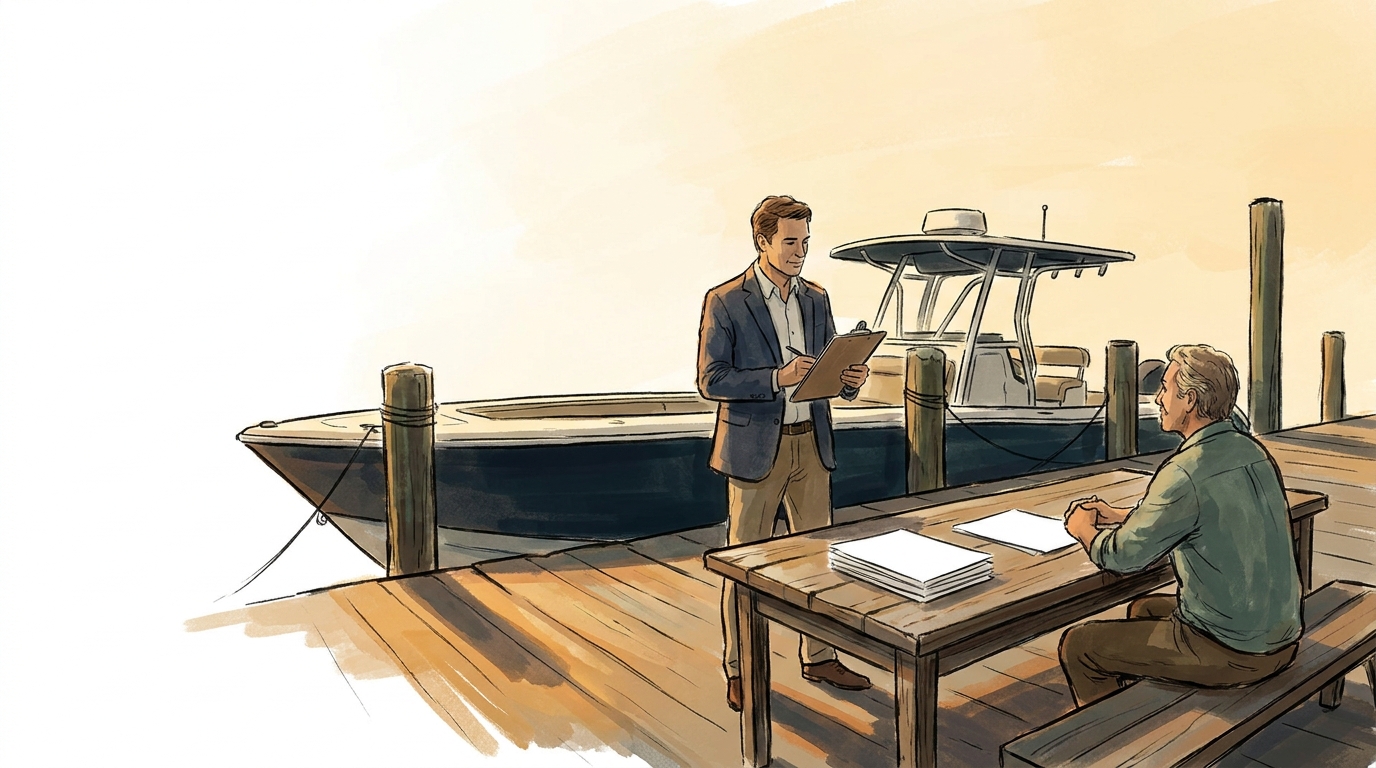
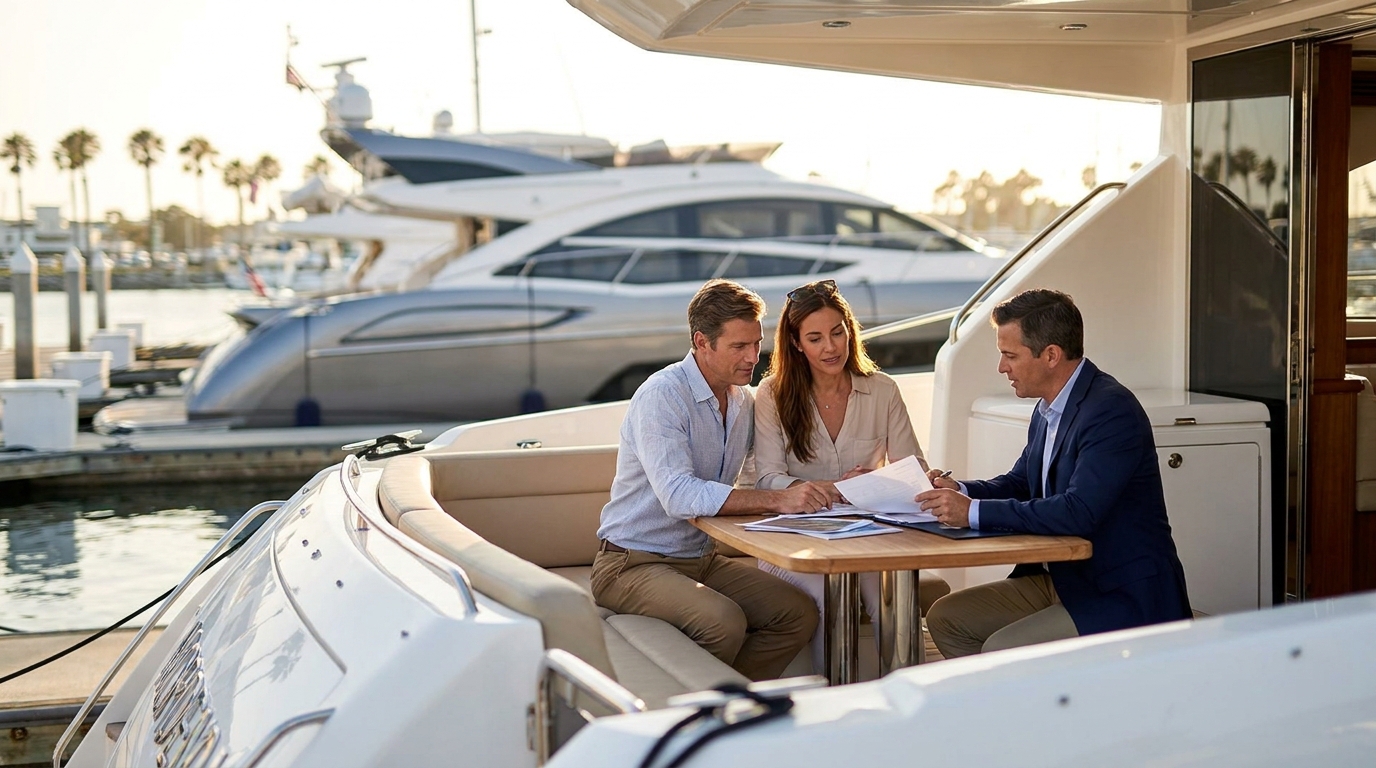
For any meaningful purchase, working with a licensed yacht broker is the standard approach. A buyer's broker represents the purchaser's interests, has access to multiple listing systems beyond what is publicly visible, and manages the documentation, escrow, and closing logistics that catch unrepresented buyers off guard.
Brokers also offer market context — what a comparable hull has actually sold for, which models hold value, and which seemingly attractive listings have known issues. Experienced firms such as Worldwide Yacht Sales coordinate the entire transaction, including remote purchases where the buyer and vessel are in different states. Customers have specifically noted the value of that hand-holding; one customer wrote that the team made a long-distance purchase from Florida to Rhode Island "easy" through "informative, patient, no pressure" guidance.
Step 4: Search, Shortlist, and Inspect
Once the buyer's broker understands the mission and budget, the search begins across the major brokerage databases. A working shortlist usually contains three to five candidates worth visiting in person.
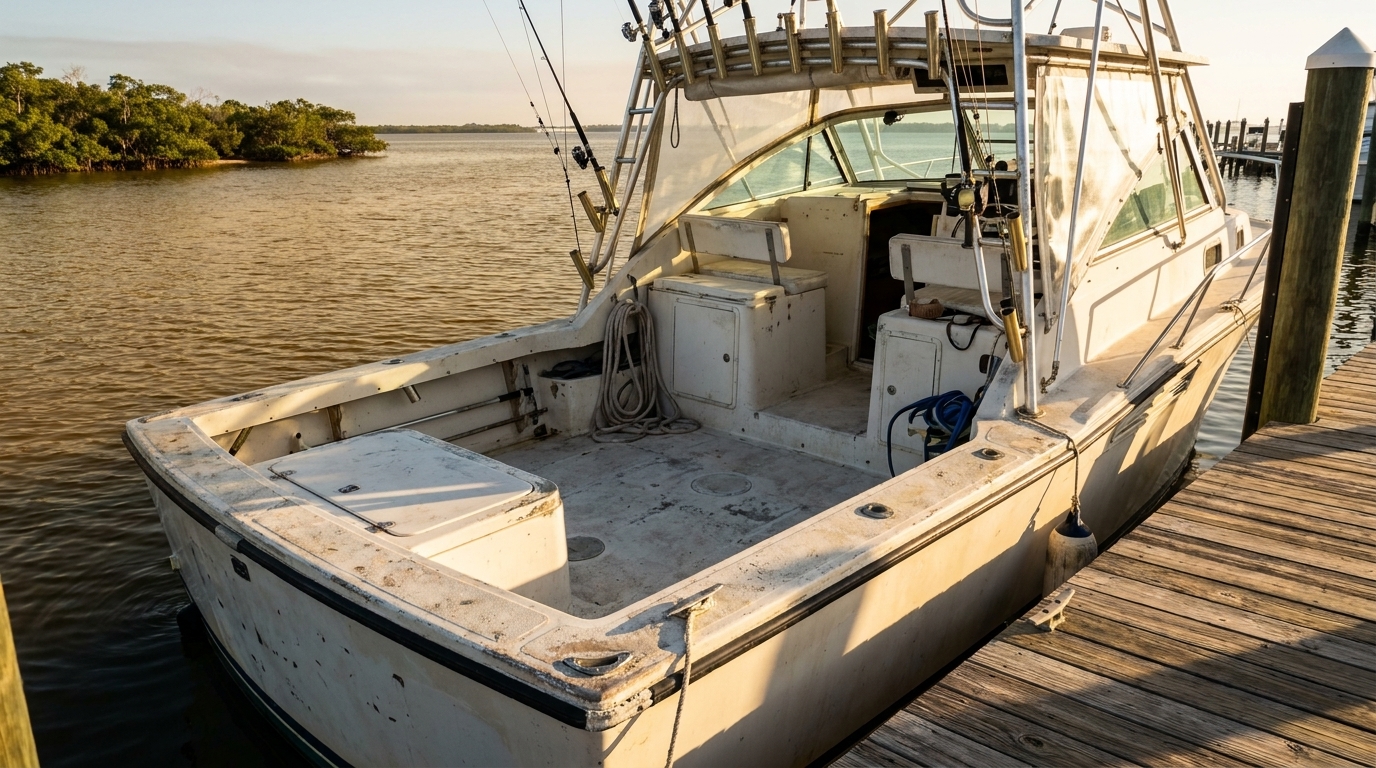
Initial inspections focus on overall condition, maintenance records, hours on engines and generators, electronics suite, and any obvious deferred maintenance. In the Tampa market, particular attention should go to:
- Evidence of past storm damage or insurance claims
- Corrosion on through-hulls, shafts, and electrical systems from saltwater exposure
- Canvas, isinglass, and gelcoat condition after sustained UV exposure
- Air conditioning performance, which is non-negotiable for Florida boating
Step 5: Make an Offer and Sign a Purchase Agreement
Once a vessel is selected, the buyer submits a written offer, typically accompanied by a deposit held in escrow. The offer is contingent on satisfactory survey, sea trial, and — if applicable — financing approval.
The purchase and sale agreement specifies acceptance dates, allocation of survey costs, what "satisfactory" condition means, and how negotiations will proceed if the survey reveals issues. This document protects both parties and is where broker experience pays for itself.
Step 6: Marine Survey and Sea Trial
The marine survey is the buyer's single most important due diligence step. An accredited marine surveyor inspects the hull, systems, electronics, safety equipment, and overall structural condition, producing a written report with a fair market value estimate that insurers and lenders will require.
The sea trial — typically conducted before or alongside the survey — tests the vessel under operating conditions in Tampa Bay or the Gulf. The surveyor and an independent mechanic should verify engine performance, shifting, steering, electronics, and handling at cruising and wide-open throttle.
Buyers then have a defined window to accept the vessel as-is, request repairs or credits, or reject the vessel and recover their deposit.
Step 7: Financing and Insurance
Marine financing differs from auto lending. Loan terms and down payment requirements vary by lender, and lenders require the survey valuation before final approval. Pre-qualification before shopping accelerates closing significantly.
Insurance must be bound before closing. Florida insurers will scrutinize the survey, the captain's experience, and the planned cruising area. Buyers should secure binders well before the scheduled closing date, as named-storm season can complicate underwriting timelines.
Step 8: Documentation, Titling, and Closing
Qualifying vessels can be federally documented through the U.S. Coast Guard, which is common for yachts and often required by lenders. Smaller or non-documented vessels are titled and registered through Florida's tax collector offices.
The broker typically coordinates the entire closing package.
Step 9: Take Delivery and Plan the First Season
Delivery often includes a captain's orientation, a fuel-up, and a shakedown cruise. Tampa buyers commonly schedule delivery in late fall or winter to enjoy a full season before the next hurricane window and to avoid summer humidity peaks during early ownership learning curves.
Frequently Asked Questions
How long does the yacht buying process take?
From engaging a broker to taking delivery, most transactions close within a matter of weeks. Remote purchases, custom financing, or extensive survey negotiations can extend that timeline.
Is sales tax really capped in Florida?
Yes. Florida caps state sales tax on a single boat sale, which makes the state notably favorable for larger vessel purchases compared to jurisdictions without a cap. Local discretionary surtaxes may add a small additional amount depending on the county.
Do I need a captain's license to operate a yacht in Tampa?
For personal recreational use, no captain's license is required, though Florida requires a Boating Safety Education ID for operators meeting certain age and vessel criteria. Insurance underwriters may require documented experience or a hired captain for larger vessels.
Should I buy new or pre-owned?
Pre-owned yachts offer significant value, as depreciation is steepest in the first few years. A well-maintained pre-owned vessel with current survey and clean documentation is often the stronger purchase for first-time buyers.
How do I know if a yacht broker is reputable?
Look for brokers affiliated with recognized industry associations, verifiable customer reviews, and a track record of handling both local and remote transactions. A reputable broker manages escrow, coordinates documentation, and provides transparent communication throughout — not just at the point of sale. Asking for references from past buyers is a reasonable and standard request.
What happens if the marine survey uncovers major problems?
If the survey reveals significant defects, buyers generally have three options within the agreed inspection window: accept the vessel as-is, negotiate a price reduction or seller-paid repairs, or walk away and recover the deposit in full. A well-drafted purchase agreement defines these rights clearly, which is one of the primary reasons working with an experienced broker matters.
Closing Thoughts
The yacht buying process rewards preparation. Buyers who define their mission, build a realistic budget, work with an experienced broker, and respect the survey and sea trial steps consistently end up with vessels that match their lives — and avoid the expensive surprises that derail less-disciplined purchases.
Tampa buyers who want a guided, well-coordinated transaction can contact Worldwide Yacht Sales at worldwideyachtsalesinc.com or by phone at (727) 346-8229 to discuss their search, financing, or current listings. The firm holds a 4.8-star rating from 28 Google reviews as of May 2026, reflecting a customer-first approach to both local and long-distance purchases — the kind of representation worth having on the buyer's side of a yacht transaction.
"