Essential Questions Every Yacht Buyer Should Ask Their Broker
A comprehensive checklist of yacht buying questions every Tampa buyer should ask their broker in 2026, from vessel history to closing logistics and post-sale support.
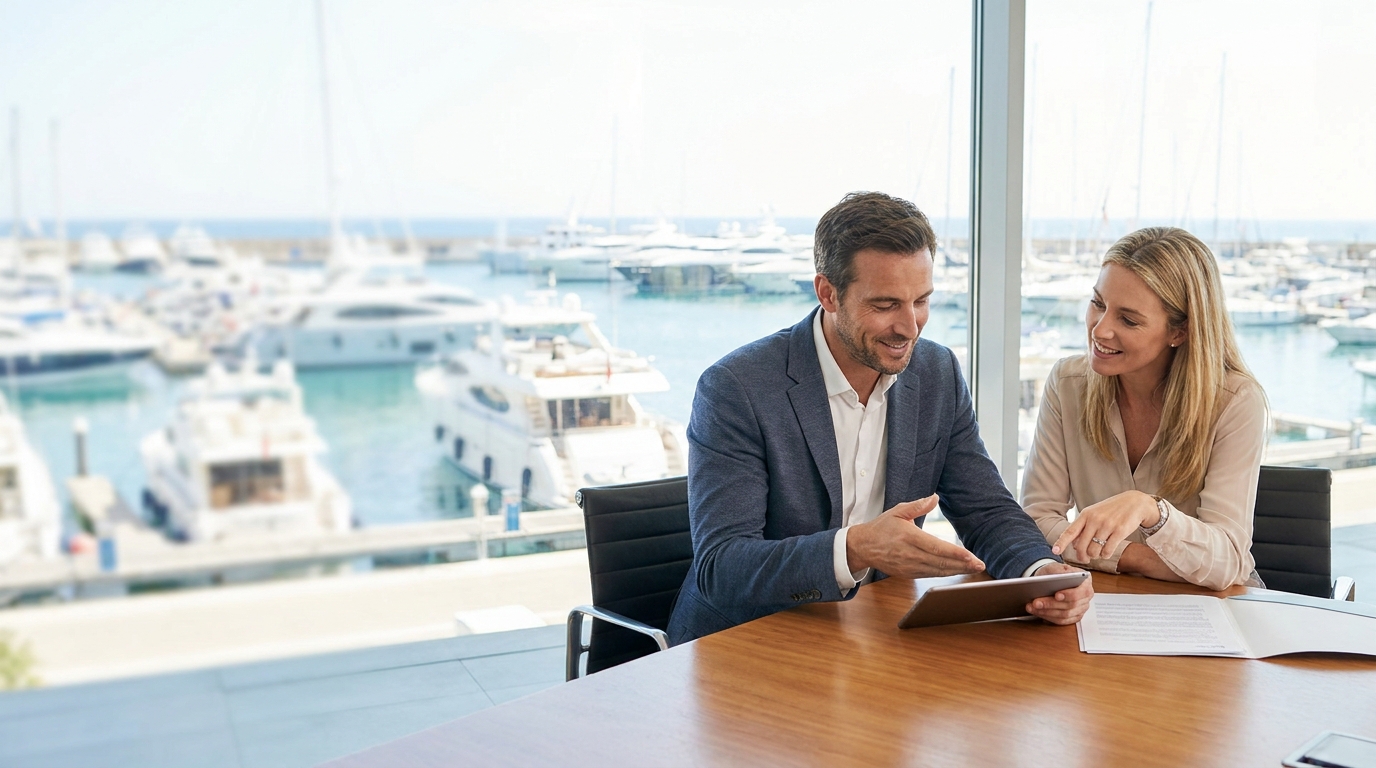
Purchasing a yacht is rarely a transaction that rewards intuition alone. Between vessel surveys, title research, sea trials, financing structures, and the logistics of moving a multi-ton asset across state lines, buyers who skip the diligence phase tend to discover problems after the closing wire has cleared. The questions a buyer asks during the broker consultation often determine whether the next five years on the water are spent enjoying the boat or repairing it.
This is especially true in the Tampa Bay market, where year-round boating, brackish water exposure, and hurricane-season haul-out logistics introduce variables that buyers from other regions may not anticipate. The checklist below covers the questions a serious buyer should bring to any yacht broker consultation — organized by the stage of the yacht purchase process they apply to.
Questions About the Broker's Background and Representation
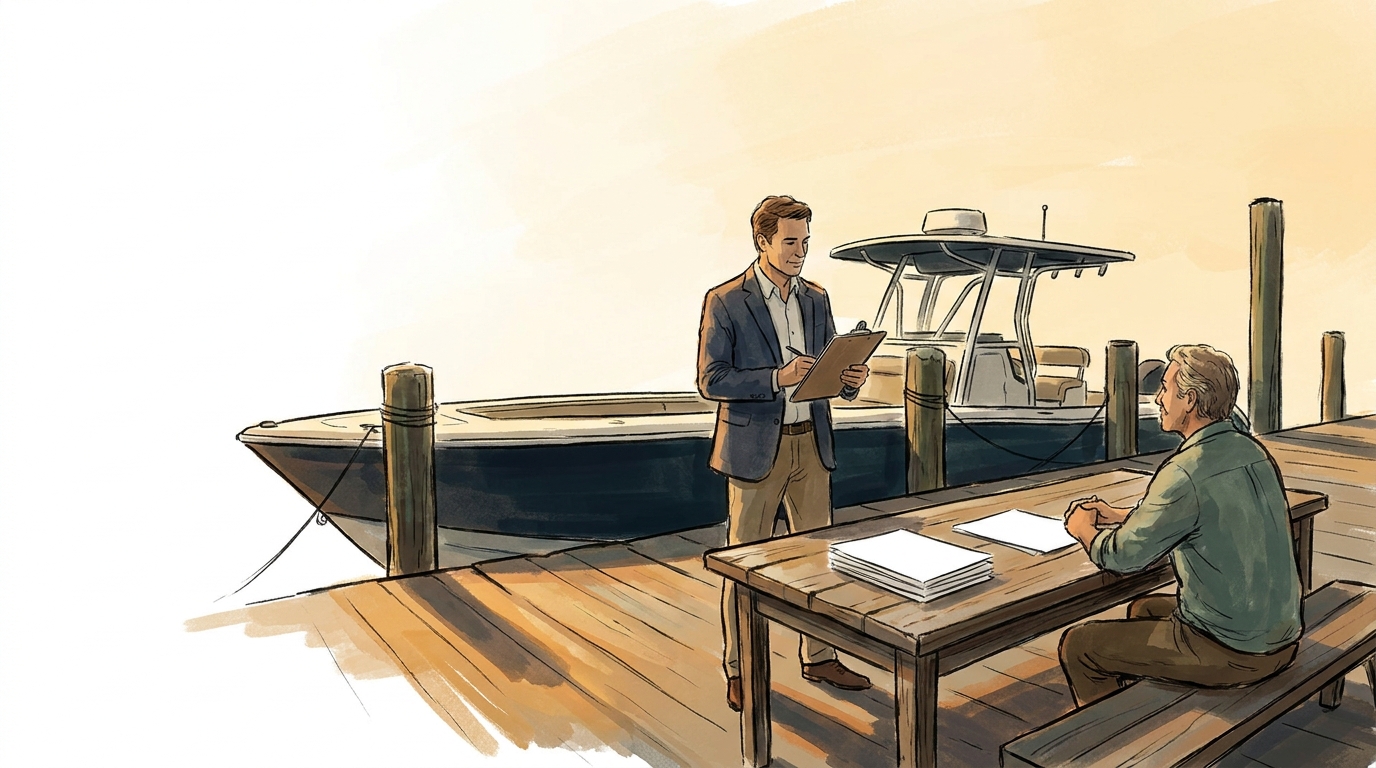
Before discussing any specific vessel, buyers should understand who the broker actually represents and how they are compensated. Yacht brokerage is a relationship-driven business, and the broker's incentives shape every recommendation that follows.
- Are you representing the seller, the buyer, or both in this transaction?
- How long have you worked specifically in the Gulf Coast and Tampa Bay market?
- Are you a member of the Florida Yacht Brokers Association (FYBA) or the International Yacht Brokers Association (IYBA)?
- What types and sizes of vessels do you specialize in — sportfish, motor yachts, sailing yachts, center consoles?
- Can you describe a recent transaction involving a vessel similar to the one I'm considering?
Local experience matters more than buyers often realize. A broker who has moved boats in and out of marinas near Davis Islands, Harbour Island, and the Westshore Marina District understands the depth restrictions, bridge clearances, and slip availability that affect what vessels are practical to own here. Worldwide Yacht Sales, for example, has built its reputation in part on long-term client relationships, with one customer writing that they have been buying and selling boats with the same team for twenty years, calling them "fair, honest, by the book and not greedy."
Questions About the Vessel's History and Condition
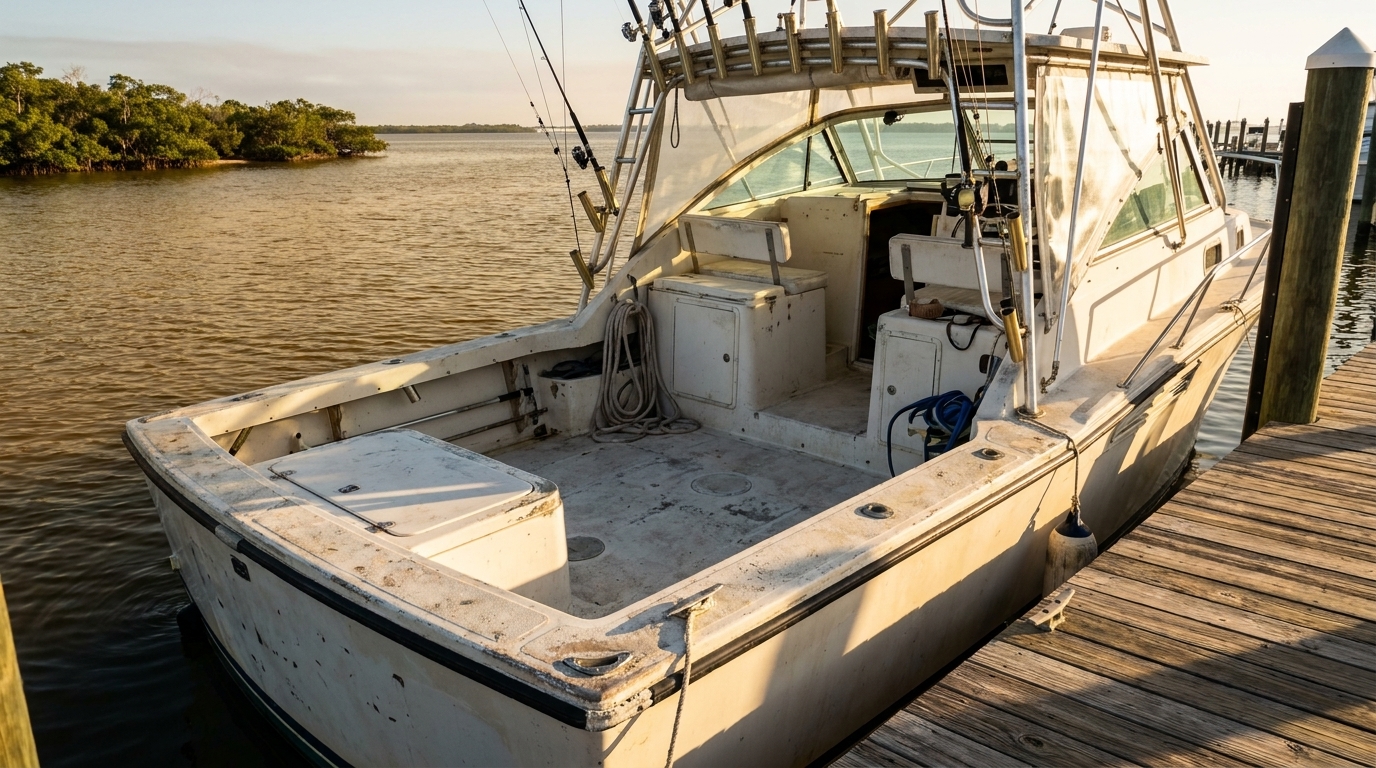
A yacht's documented history reveals more than its current cosmetic state. Florida's heat, humidity, and ultraviolet exposure age boats faster than equivalent vessels in cooler climates, and a boat that has spent its life in Tampa Bay will show wear patterns that differ from a freshwater-only vessel of the same model year.
- How many previous owners has the vessel had, and where has it been kept — wet slip, dry stack, or covered storage?
- Are complete maintenance records available, including engine hours, oil analyses, and service receipts?
- Has the boat ever been involved in a grounding, collision, sinking, or insurance claim?
- Has it sustained hurricane damage, and if so, what repairs were completed and by whom?
- What is the condition of the running gear, bottom paint, and through-hulls?
- When were the batteries, electronics, canvas, and upholstery last replaced?
In Tampa, hurricane history is a particularly important line of questioning. Vessels that rode out major storms at anchor or in poorly protected slips may have hidden stress damage that doesn't surface until the next hard run offshore.
Questions About Survey, Sea Trial, and Inspection
The pre-purchase survey is the single most important contingency in any yacht buying checklist. Buyers should understand the broker's process for coordinating it and what their role will be once findings are returned.
- Can I select my own marine surveyor, or do you provide a list of recommended professionals?
- Will the survey include both an out-of-water hull inspection and an in-water systems check?
- Is an engine survey by a separate marine mechanic included or recommended?
- Who pays for the haul-out, and where will it be performed?
- What happens if the survey reveals significant deficiencies — can the offer be renegotiated or withdrawn?
- How is the sea trial structured, and what systems will be tested under load?
Buyers should always commission an independent surveyor accredited by SAMS (Society of Accredited Marine Surveyors) or NAMS (National Association of Marine Surveyors) rather than relying on a recommendation that creates any appearance of conflict.
Questions About Pricing, Offers, and Negotiation
Listing prices on brokerage yachts are starting points, not appraisals. A capable broker should be able to explain how a specific vessel is priced relative to comparable sales and what room exists for negotiation.
- How does this asking price compare to recent closed sales of similar vessels?
- How long has the boat been on the market, and have there been prior price reductions?
- What is included in the sale — tenders, electronics, spare parts, slip rights?
- Are there any liens, outstanding loans, or unpaid dockage fees attached to the vessel?
- What earnest money deposit is customary, and where is it held in escrow?
Questions About Florida Taxes, Registration, and Documentation
This is the area where buyers most often receive incomplete information, because the rules are genuinely complicated and vary by how the vessel will be used. In Florida, sales or use tax generally applies to yacht purchases, and the rules can differ meaningfully from those in other states. Buyers should ask the broker to walk through the specifics for their situation rather than relying on rules of thumb from other jurisdictions.
- What is the Florida sales or use tax obligation on this specific purchase, and how is it calculated?
- Will the vessel be state-registered, U.S. Coast Guard documented, or both?
- If I am a non-Florida resident, what offshore delivery or affidavit options affect tax treatment?
- Who prepares the bill of sale, closing statement, and title transfer documents?
- Are there county-specific discretionary surtaxes that apply in Hillsborough County?
Because these questions touch on tax law, buyers should also confirm answers with a marine attorney or CPA before closing. A broker who encourages that step rather than discouraging it is usually the broker worth working with.
Questions About Financing, Insurance, and Closing Logistics
For buyers financing the purchase or relocating the vessel after closing, the broker's network often matters as much as their listing inventory. Customers of Worldwide Yacht Sales have specifically highlighted comprehensive service including financing coordination and out-of-state shipping logistics — one customer noted that purchasing a boat in Florida and having it shipped to Rhode Island was made easy by "responsiveness, honesty, and hand-holding throughout."
- Can you recommend marine lenders familiar with this vessel type and price range?
- What insurance carriers will write coverage for a vessel of this age, size, and intended cruising area?
- Will the boat require a named-storm haul-out plan to qualify for coverage during hurricane season?
- If the vessel is being relocated, can you coordinate captain delivery or land transport?
- Who handles the final walkthrough, and at what point does risk of loss transfer to the buyer?
Questions About Post-Sale Support
The relationship should not end at closing. New owners almost always have questions in the first six months — about systems they haven't operated before, about local service providers, about slip availability as they figure out where to keep the boat long-term.
- Will you be available for questions after closing, and for how long?
- Can you recommend reputable yards, mechanics, and detailers in the Tampa Bay area?
- Do you assist with slip placement at marinas in Tampa, St. Petersburg, or Clearwater?
- When the time comes to sell or upgrade, what is your process for repeat clients?
Frequently Asked Questions
How long does the typical yacht purchase process take in Tampa?
From accepted offer to closing, brokerage transactions can vary considerably in length, depending on survey scheduling, financing approval, and documentation timelines. Cash purchases of in-state vessels can close more quickly, while complex out-of-state transactions or USCG documentation can extend the timeline significantly.
Should buyers use a broker even when purchasing directly from an owner?
Many buyers benefit from buyer's-broker representation even on for-sale-by-owner vessels, because the broker handles escrow, documentation, survey coordination, and closing logistics that private sellers often aren't equipped to manage. The commission is typically paid from the transaction rather than added to the price.
What is the best time of year to buy a yacht in the Tampa market?
Inventory in the Gulf Coast typically expands in late spring and early summer as seasonal owners list their boats before the peak of hurricane season, and again in early fall after storm risk subsides. Buyers who can close in these windows often see more selection and more motivated sellers.
How do I know if a yacht broker is trustworthy before committing to work with them?
Look for membership in professional bodies such as FYBA or IYBA, verifiable Google reviews with specific transaction details, and willingness to encourage independent surveys and legal review. A trustworthy broker welcomes outside verification rather than discouraging it, and can point to repeat clients — a strong indicator of long-term trust in the brokerage relationship.
Can a yacht broker help if I am buying a boat remotely and cannot visit in person?
Yes. Experienced brokers routinely manage remote purchases, coordinating surveys, sea trials, documentation, and transport on the buyer's behalf. Ask the broker specifically about their process for out-of-state or international buyers, including how they communicate inspection findings and handle closing logistics when the buyer is not physically present at the vessel.
Working With a Broker in Tampa
The right broker turns a complicated, high-stakes purchase into a manageable process — and the wrong one can leave buyers absorbing costs and surprises that proper diligence would have surfaced. The questions above are the framework; the answers a buyer receives, and how forthcoming the broker is in providing them, reveal whether the relationship is built on the right foundation.
Buyers in the Tampa Bay area who want experienced representation through the yacht purchase process can contact Worldwide Yacht Sales at https://worldwideyachtsalesinc.com to begin a broker consultation. The firm's 4.8★ Google rating, as of May 2026, reflects a track record built on the same diligence, communication, and post-sale support this checklist is designed to help buyers identify.