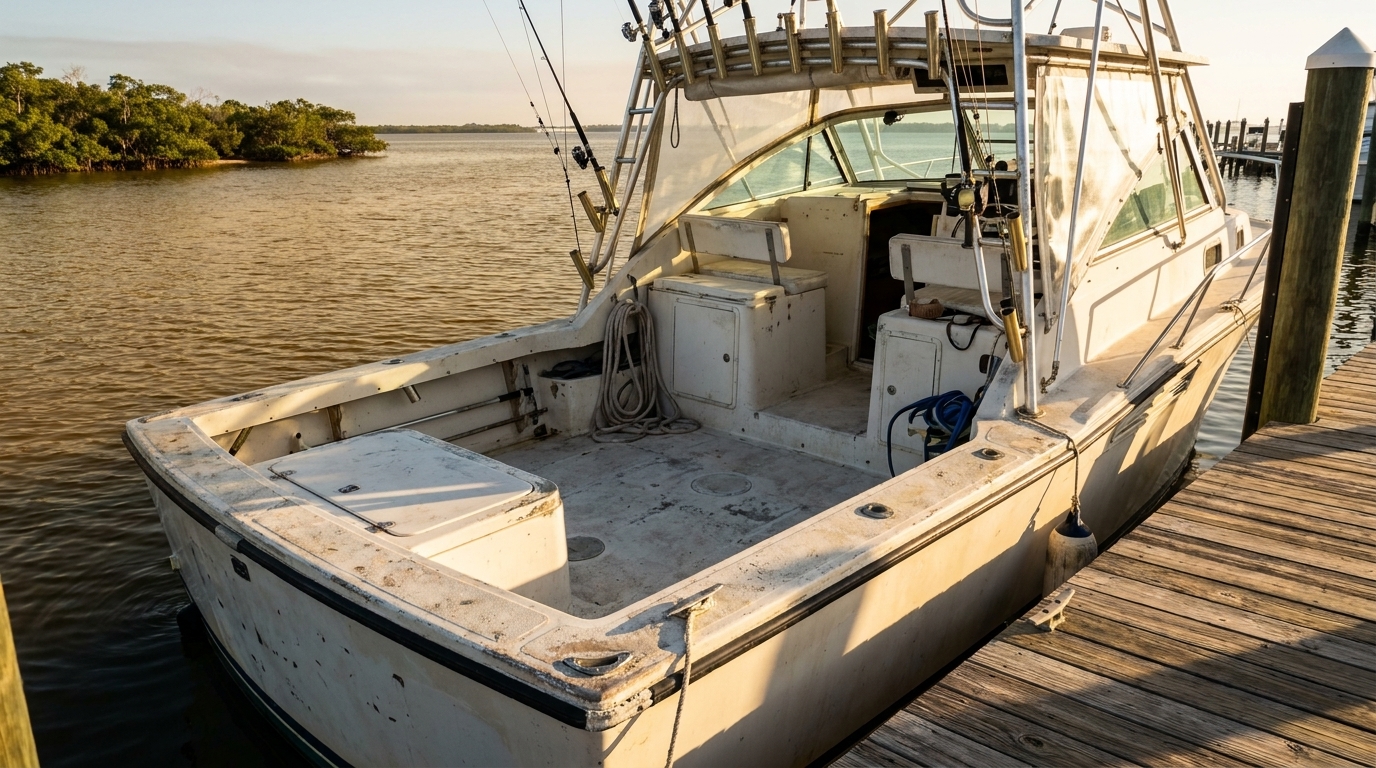
Boat Sales Tax in Florida: What Buyers Actually Pay
Florida caps boat sales tax at $18,000 in 2026. Here's exactly what Treasure Island buyers pay, plus nonresident exemptions, surtax rules, and registration details.
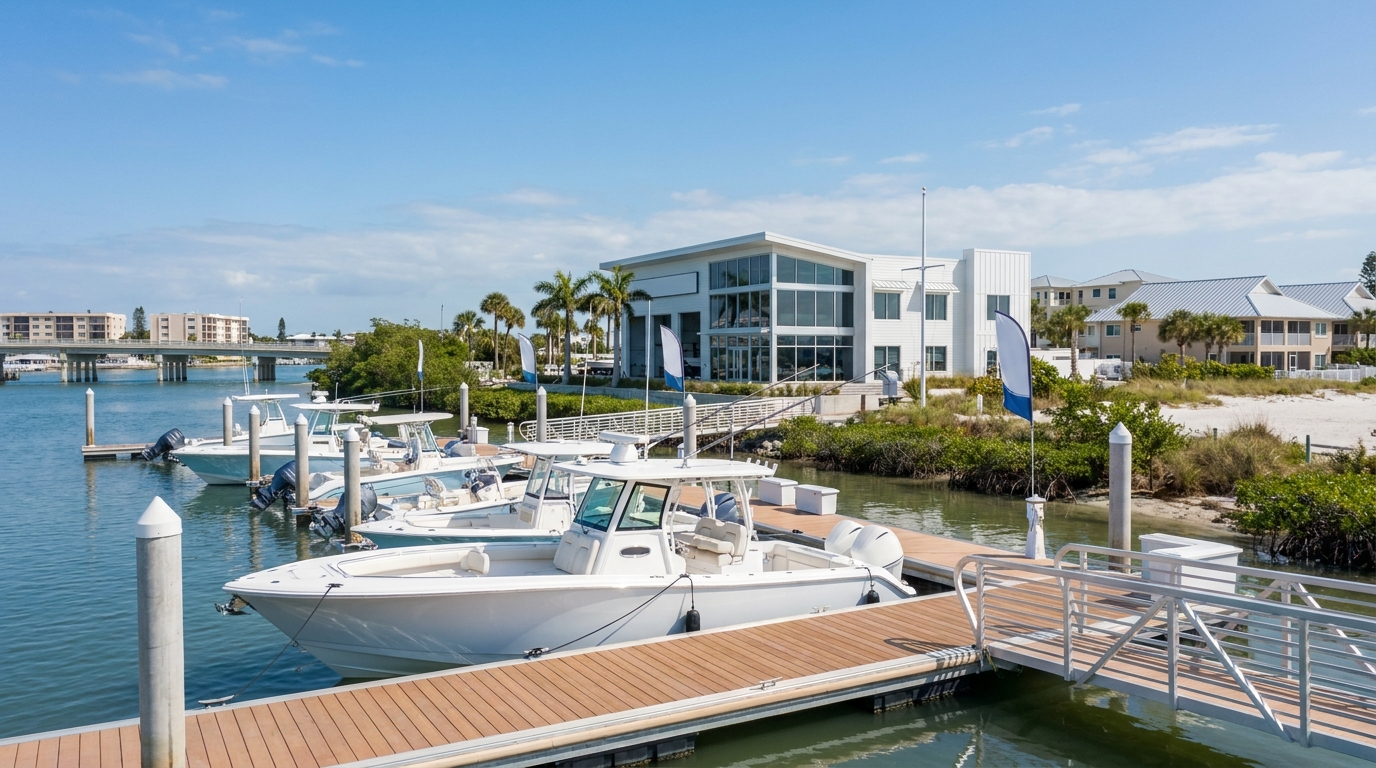
You've found the vessel. The survey looks clean, the sea trial off John's Pass was flawless, and you're ready to close. Then the question every Florida boat buyer asks eventually: what will the tax actually cost? The answer is more favorable than most newcomers to the Gulf Coast expect — and understanding it well can meaningfully change how you structure a purchase.
Florida's boat sales tax framework is one of the reasons Treasure Island and the surrounding Pinellas County waterfront remain such an active market for serious buyers. The state built a tax cap specifically to keep large yacht transactions in Florida rather than watching them close elsewhere. Here's how it works in practice.
The Short Answer: 6% State Tax, Capped at $18,000
Under Florida Statutes §212.05, boat and yacht purchases are subject to a 6% state sales and use tax. That applies whether the vessel is new or brokerage, whether you buy from a licensed dealer or a private party, and whether the boat is delivered, used, or stored in Florida.
The critical number for anyone shopping above the entry level: the total sales or use tax on a single qualifying vessel transaction is capped at $18,000. That figure is 6% of $300,000. Every dollar of purchase price beyond that threshold is effectively tax-free at the state level.
A $250,000 center console? You pay $15,000. A $600,000 sport yacht? You still pay $18,000. A $2 million motoryacht? $18,000. This cap is a defining feature of the Florida market and one of the primary reasons brokerage transactions on the Gulf Coast frequently close here rather than in states without similar relief.
County Discretionary Surtax: A Small Add-On
On top of the 6% state rate, Florida counties can impose a discretionary sales surtax. For boat transactions, the surtax applies only to the first $5,000 of the taxable purchase price under §212.054. Rates vary by county and are published by the Florida Department of Revenue.
Because the surtax base is capped at $5,000, the additional dollar amount is modest — typically a few dozen dollars, not a percentage of the whole hull. Registered dealers are required to collect the applicable surtax when delivery occurs in a surtax county.
How the Taxable Base Is Calculated
The taxable base is the total purchase price minus any qualifying trade-in credit. Trading in your current boat toward a larger vessel gives you a dollar-for-dollar reduction of the taxable amount. Only boat or boat-related equipment trade-ins qualify — you cannot offset a yacht purchase with, say, a car.
For private-party sales, there is no dealer collecting on your behalf. The buyer pays the 6% state tax plus applicable county surtax directly to the county tax collector at the time of title and registration. In Pinellas County, that transaction happens in person, and skipping it is not an option — the title cannot transfer without the tax being satisfied.
Exemptions That Actually Move the Needle
Two exemptions come up regularly in Treasure Island transactions, both governed by Florida Statutes §212.05 and administered by the Florida Department of Revenue.
The Nonresident Purchaser Exemption
If you are not a Florida resident, you may be able to purchase a vessel through a registered Florida dealer or broker without paying Florida sales tax — provided you actually take the boat out of the state. The requirements are strict under §212.05(1)(a)2.:
- The sale must be by or through a registered dealer or broker.
- The buyer must be a nonresident at the time of delivery.
- The vessel must be removed from Florida within the statutory period — up to 180 days, and that period may not be tolled.
- The boat generally may not return to Florida within six months after departure.
- The purchaser must furnish required documentation to the Florida Department of Revenue within the prescribed time.
- Failure to meet all conditions makes the purchaser liable for use tax on the boat's cost price plus a penalty equal to the tax payable.
Miss any of these and the exemption is void — meaning back tax, penalty, and interest. This is one area where working with a broker who understands the paperwork matters. The team at Worldwide Yacht Sales handles the documentation process routinely for out-of-state clients closing on vessels leaving Treasure Island and the greater Pinellas waterfront. Note that this exemption does not apply to private-party sales simply because the buyer resides outside Florida — a qualifying registered dealer or broker must be involved.
The Out-of-State Delivery Exemption
This too requires full documentation. It is not a workaround for Florida residents; it is a legitimate structure for buyers whose home waters are elsewhere.
Use Tax on Boats Brought Into Florida
Buy a boat elsewhere and bring it to your slip on Boca Ciega Bay? Florida will assess a 6% use tax on the vessel, subject to the same $18,000 cap. You may receive credit for sales tax legally paid to another state, provided you have documentation. Use tax may be collected at the time of vessel registration through the county tax collector or a licensed private tag agency. This is worth planning for well in advance of hurricane season, when many owners relocate vessels to Gulf Coast storage.
Repairs Have Their Own Cap
Worth knowing if you own a larger vessel: taxable boat repair services are subject to a separate cap under §212.05(5). Total tax on a single repair event is capped at $60,000 — distinct from the $18,000 vessel sale cap. A major refit at a Pinellas yard, in other words, has its own tax ceiling.
What About Registration Fees and Trailers?
Florida boat registration is handled through the county tax collector and is separate from sales tax. Registration fees are based on vessel length and are set at the state level, renewed annually. Trailers, if included in your purchase, are taxed separately and are not covered by the nonresident boat exemption — a detail that surprises buyers who assume the exemption covers the whole package.
Frequently Asked Questions
What taxes do I pay when buying a boat in Florida?
You pay 6% state sales or use tax on the purchase price, capped at $18,000 per vessel transaction. A county discretionary surtax may apply to the first $5,000 of the price. Registration fees are separate and paid to the county tax collector.
Is the Florida yacht tax cap really $18,000?
Yes. Under §212.05, the total sales or use tax on a single qualifying vessel transaction is capped at $18,000. No additional state tax is owed on purchase amounts above $300,000.
Can a nonresident avoid Florida boat sales tax?
Potentially, through the nonresident purchaser exemption or out-of-state delivery exemption. Both require a registered dealer or broker and strict compliance with statutory documentation and removal requirements. Under the nonresident exemption, the vessel must be removed within the statutory period — up to 180 days — and generally may not return to Florida within six months of departure.
Do private-party boat sales in Florida get taxed?
Yes. The buyer pays the 6% state tax plus any applicable county surtax directly to the county tax collector at title and registration.
How does trade-in credit work?
A qualifying boat or boat-related equipment trade-in reduces the taxable purchase price dollar-for-dollar. Non-boat trade-ins do not qualify.
What happens if a nonresident buyer fails to remove the boat from Florida in time?
The exemption is void. Under §212.05, the purchaser becomes liable for use tax on the boat's cost price plus a penalty equal to the full tax amount owed. The 180-day removal period cannot be tolled, and the boat generally cannot return to Florida within six months of departure. Meeting every condition precisely is essential — consult qualified tax or legal counsel before relying on this exemption.
Does the $18,000 Florida tax cap apply to boats brought in from other states?
Yes. Florida use tax on a vessel brought into the state from elsewhere is subject to the same $18,000 per-vessel cap under §212.05. Credit is available for sales tax legally paid to another state, provided you have documentation. Use tax is typically collected at registration through the county tax collector or a licensed private tag agency.
Closing the Deal in Treasure Island
Florida's tax structure rewards buyers who plan the transaction with the same care they bring to the sea trial. The $18,000 cap, the nonresident exemption, the trade-in credit, the repair cap — these are not loopholes. They are the framework the state built to keep serious boating business here on the Gulf Coast.
If you're purchasing a vessel in or around Treasure Island and want the tax side handled with the same precision as the survey and closing, Worldwide Yacht Sales works through documentation, delivery structures, and Pinellas County filings routinely. You can reach the team at worldwideyachtsalesinc.com or visit the office at 12781 Kingfish Drive, Treasure Island, FL 33706 to discuss your specific transaction. Nothing about Florida's rules is a substitute for qualified legal or tax counsel on a large purchase — but knowing the shape of the water before you cast off makes for a smoother voyage.