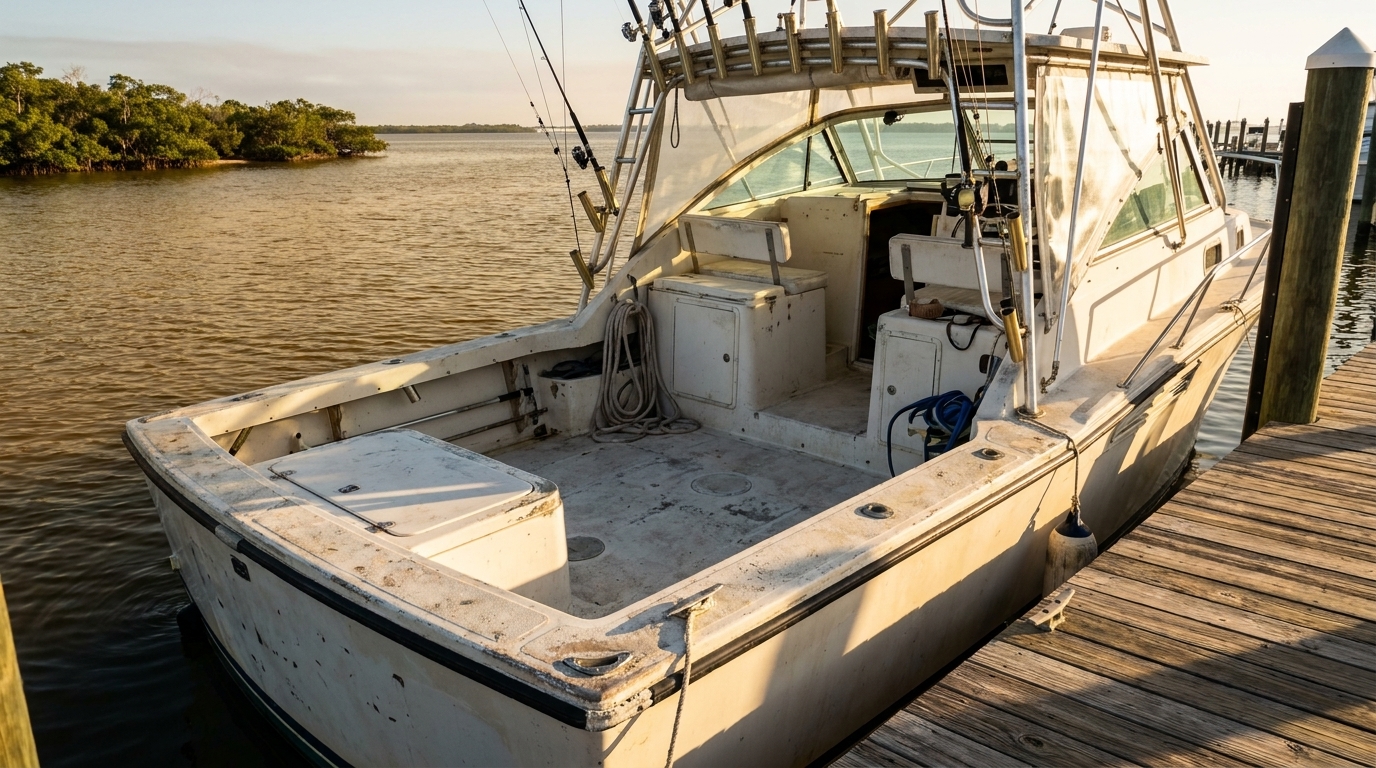
Selling a Yacht Through a Broker in Palm Harbor: What to Expect
A clear walkthrough of how selling a yacht through a broker works in Palm Harbor, FL — listings, sea trials, surveys, timelines, and closing.
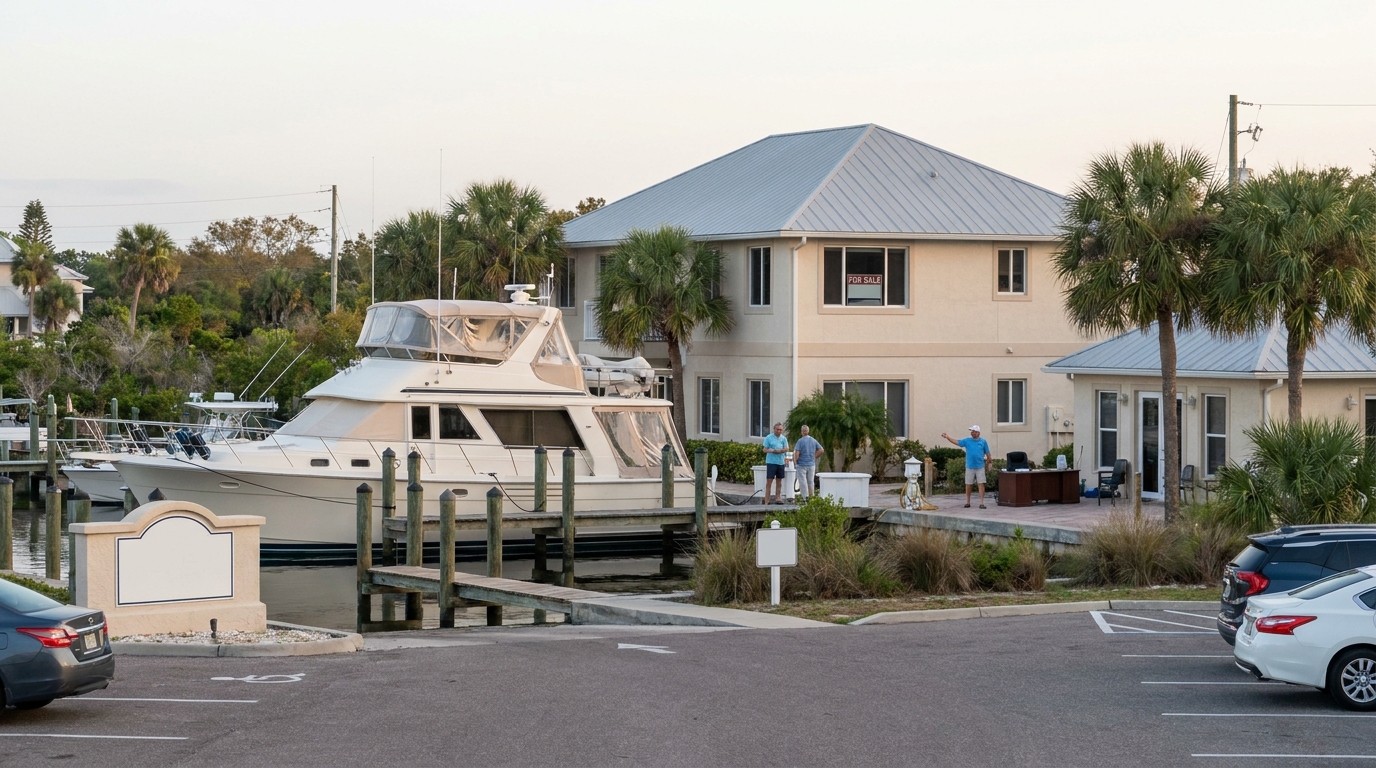
You've decided it's time to part with your yacht. Maybe you're upgrading to a larger sportfish, downsizing after years on the water, or simply ready for the next chapter. Either way, the question that follows is almost always the same: how does selling a yacht through a broker work in Palm Harbor, and what should you actually expect from the process?
Palm Harbor sits in one of Florida's most active boating corridors, tucked between Tarpon Springs and Dunedin along the Pinellas coast. Buyers come from across the country to shop the Gulf Coast market, and the yachts moored at Ozona, Wall Springs, and along the Anclote River move faster than most sellers expect — when they're listed correctly. Here's what the broker-assisted sale looks like from the first conversation to the closing table.
The First Conversation: Valuation and Listing Strategy
Every broker-assisted sale in Palm Harbor starts with an honest look at the vessel. A broker will walk your boat, review maintenance logs, check hours on the engines, and pull comparable sales data from BUC, YachtWorld, and recent regional closings. From there, you'll get a recommended asking price and a listing strategy.
This is where local knowledge matters. A 40-foot express cruiser priced for the Northeast market won't move the same way on the Gulf Coast, where buyers are shopping year-round and comparing your boat to inventory in Clearwater, St. Petersburg, and Tampa. Experienced yacht brokers in Palm Harbor, FL price to the actual Pinellas County buyer pool — not a national average.
What Goes Into the Listing
- Professional photography, ideally shot on a clear morning before the afternoon Gulf chop picks up
- Drone footage of the vessel underway
- A detailed specification sheet with equipment, electronics, and recent service history
- Syndicated placement on YachtWorld, Boat Trader, and broker MLS systems
- Direct outreach to qualified buyers already working with the brokerage
The Listing Agreement: What You're Signing
Central listing agreements are the industry standard. You give one brokerage the exclusive right to market the boat, and any cooperating broker who brings a buyer splits the commission — typically 10% on brokerage sales, though it can vary with vessel size and condition. Terms usually run 90 to 180 days.
Read the agreement carefully. It should spell out the commission structure, the term length, cancellation rights, and how the boat will be marketed. Reputable brokerages like Worldwide Yacht Sales work on transparent central listings and coordinate cooperating brokers so your boat gets exposure across the entire MLS network, not just one office's inventory.
Timing: How Long Does It Take to Sell a Yacht With a Broker?
The honest answer: it depends on price, condition, season, and category. That said, here's what the Palm Harbor market typically looks like.
- Well-priced center consoles and express cruisers under 45 feet: 60 to 120 days on average
- Motor yachts 45 to 65 feet: 4 to 9 months
- Larger yachts, specialty vessels, or aggressively priced listings: 9 to 18 months
Season matters more here than in most markets. Snowbird traffic through Pinellas County peaks from October through April, and that's when serious buyers walk the docks. Listing before the winter season — ideally September or early October — gives you the strongest window. Waiting until June, when summer humidity peaks and northern buyers have already headed home, usually means a longer wait.
Hurricane season is the other Palm Harbor timing consideration. Buyers get skittish about closing on a vessel between August and October if a named storm is churning in the Gulf. A boat under contract when a hurricane watch goes up can see delays as surveyors, insurers, and lenders all pause. Experienced brokers plan around this.
Do Yacht Brokers Handle Sea Trials and Surveys?
Yes — coordinating the sea trial and marine survey is one of the core things you're paying a broker to do. Once you accept an offer, the buyer typically has a defined acceptance period (often 10 to 21 days) to complete their due diligence. Here's how it unfolds:
The Sea Trial
The buyer, the buyer's broker, your broker, and usually a marine surveyor go out on the water. The captain — often you, sometimes a hired captain — runs the boat through its paces. Engines are pushed to WOT, electronics are tested underway, and the surveyor observes how systems perform under load. In Palm Harbor, sea trials usually launch from your home slip or from a nearby marina in Ozona or Tarpon Springs, running out through the Anclote Channel into the Gulf.
The Survey
After the sea trial, the vessel is typically hauled at a local yard for an out-of-water inspection. The surveyor checks the hull, running gear, through-hulls, and structural condition. A separate engine survey, with oil analysis and compression testing, is standard on any boat with meaningful hours. The buyer pays for the survey and the haul-out.
Your broker's job during this stretch is to keep everyone communicating: coordinating the yard, confirming the surveyor's schedule, and — when the report comes back — helping you negotiate any repair credits or price adjustments the buyer requests. This is where deals live or die, and where an experienced broker earns their commission.
Closing: Documentation, Registration, and Funds
Once the buyer accepts the vessel following survey, you move to closing. Florida documented vessels require Coast Guard paperwork; state-titled boats go through the Florida Department of Highway Safety and Motor Vehicles and the Pinellas County Tax Collector. A good closing coordinator will handle:
- Bill of sale and transfer documents
- Coast Guard deletion or transfer paperwork for documented vessels
- Escrow of buyer funds
- Payoff of any existing lien
- Disbursement of net proceeds to you
Sales tax on the buyer's side is a Florida question — 6% state sales tax plus Pinellas County's discretionary surtax, capped at the state maximum on the surtax portion. Your broker doesn't collect it, but they should be able to explain how it affects the buyer's offer.
Choosing the Right Brokerage in Palm Harbor
If you're searching for the best brokerage to sell a 40-foot boat near you, the criteria that matter most are straightforward:
- Local Gulf Coast market knowledge — someone who knows what a comparable Sea Ray, Grady-White, or Viking has actually sold for in Pinellas County this year
- MLS reach and cooperating broker relationships — your boat should be visible to every qualified buyer on the coast
- Communication — you should hear from your broker regularly, not just when an offer comes in
- Full-service closing support — documentation, escrow, financing coordination, and transport logistics if the buyer is out of state
Worldwide Yacht Sales's 4.8★ rating across its Google reviews reflects those patterns. One recent reviewer described the process as "easy" thanks to a broker's "responsiveness, honesty, and hand-holding throughout," and another noted their boat "sold quickly" with excellent communication at every stage — the two things sellers care most about.
Frequently Asked Questions
Do I need to be present for the sea trial?
Not always, but it helps. If you can't attend, your broker or a hired captain can run the boat. Many Palm Harbor sellers who've already relocated handle the entire sale remotely with their broker on-site.
Who pays for the haul-out and survey?
The buyer, in nearly every case. You're responsible for delivering the boat to the survey location and returning it afterward.
Can I keep using my boat while it's listed?
Yes. Just keep it clean, keep the maintenance current, and give your broker advance notice before extended trips so showings can be scheduled around your calendar.
What if the survey turns up problems?
Expect some. Almost every survey finds something. The negotiation that follows — repair credits, price adjustments, or seller-completed fixes — is where your broker's experience pays off.
Setting Sail on the Next Chapter
Selling a yacht is part transaction, part transition. Done well, it clears the deck for whatever's next — a bigger boat, a different coast, or simply a chapter closed cleanly. Sellers in Palm Harbor, FL who want a broker to handle the listing, sea trial, survey negotiation, and closing can reach Worldwide Yacht Sales at worldwideyachtsalesinc.com for a valuation and listing conversation.