How to Find the Best Yacht Brokers on Florida's Gulf Coast
A Palm Harbor buyer's guide to vetting Gulf Coast yacht brokers — what to look for, what to avoid, and how to navigate Tampa Bay's yachting market.
You've decided it's time. Maybe you're upgrading from a center console to a proper cruiser, or finally trading the dock lease for the trawler you'll live aboard. Either way, the person who represents you in that transaction matters as much as the boat itself. And on Florida's Gulf Coast — particularly around Palm Harbor and the greater Tampa Bay corridor — the brokerage landscape looks nothing like South Florida's superyacht scene. Here's how to find a broker who actually knows these waters.
Understand the Gulf Coast Brokerage Landscape First
Palm Harbor sits in a quieter pocket of Florida's yachting world. The town itself has limited large-yacht marina infrastructure, so most brokerage activity for area buyers and sellers flows through offices in St. Petersburg, Clearwater, and Tampa. Showings, sea trials, and haul-outs typically stage out of Tampa Bay hubs like Harborage Marina rather than anywhere directly in Palm Harbor.
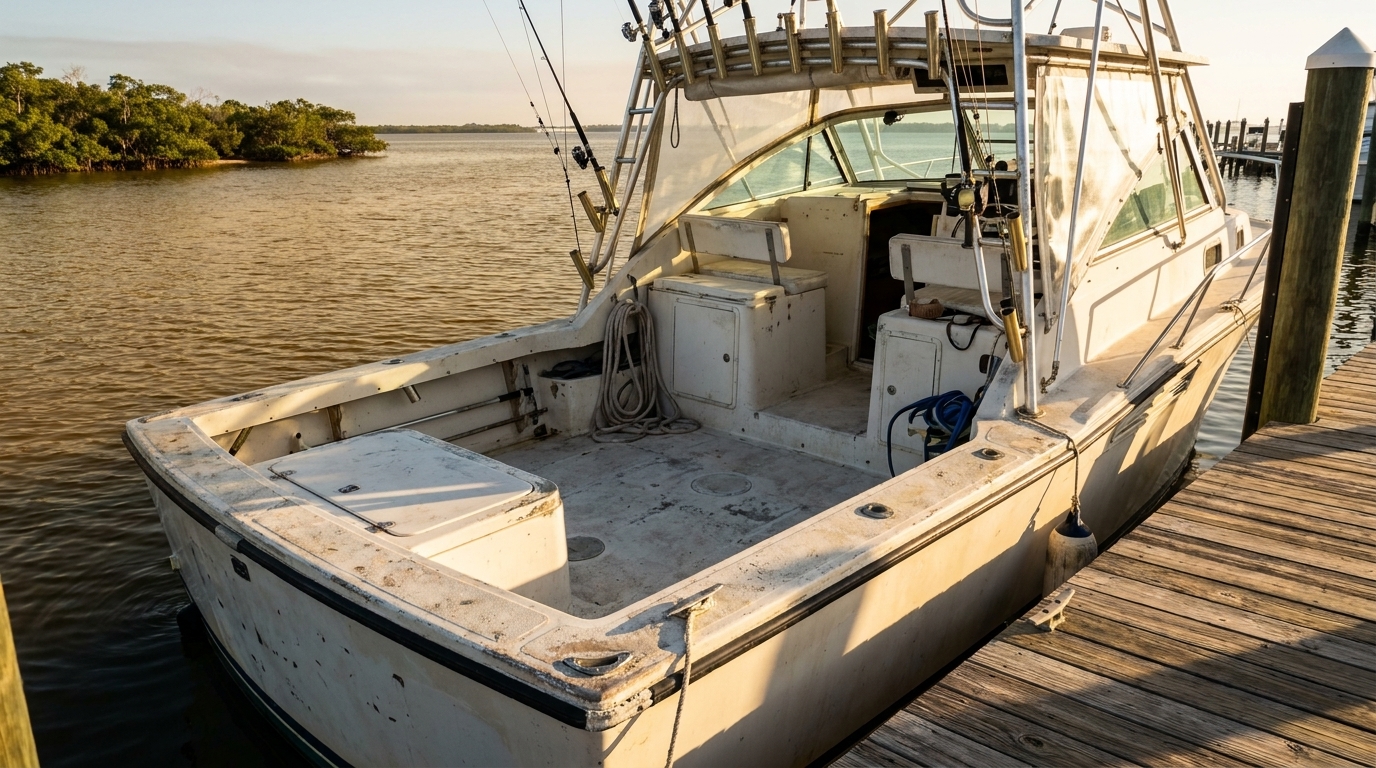
That geography shapes the market. The Gulf Coast leans heavily toward sportfishing rigs, coastal cruisers, and liveaboard trawlers — not the 100-foot-plus superyachts concentrated in Fort Lauderdale and Palm Beach. If a broker's portfolio is packed with Mediterranean charter yachts and light on Grand Banks trawlers or Viking sportfishers, they may not be the right fit for this coast.
One important clarification before you start Googling: Palm Harbor, FL on the Gulf Coast is not the same as Palm Harbor Marina in West Palm Beach on the Atlantic side. Firms like HMY Yachts, which operates 11 brokers at that Atlantic-side marina, serve a different market entirely. Make sure any broker you shortlist actually works your coast.
What Separates a Strong Gulf Coast Yacht Broker
The best yacht brokers on Florida's Gulf Coast share a specific mix of credentials, local knowledge, and transactional discipline. When you're evaluating candidates, weigh these factors more heavily than glossy websites or social reach.
Genuine Gulf Coast Experience
You want someone who has personally moved boats through Tampa Bay's channels, understands the tidal quirks of the Intracoastal, and knows which yards near Clearwater and St. Pete handle bottom jobs on your type of hull. Established regional firms — Murray Yacht Sales has served the Gulf Coast since 1974, and Preferred Yachts operates as one of Florida's older full-service brokerages out of Harborage Marina in St. Petersburg — anchor this local expertise. National networks like United Yacht Sales, with over 250 brokers across 104 locations and more than $2 billion in boats sold, extend reach for buyers who want broader inventory access. Boutique operations like All Points Yacht Sales serve buyers who want personalized attention and a broker who treats each transaction as a relationship rather than a transaction ticket.
YBAA Membership and Written Standards
Florida does not maintain a separate state yacht broker license. That's important to know. Anyone can print a business card. Membership in the Yacht Brokers Association of America — held by firms like Murray Yacht Sales — signals adherence to industry best practices: written listing agreements, proper escrow handling of deposits and closing funds, and enforceable fiduciary duties. Ask any prospective broker directly whether they hold YBAA membership and whether client funds are held in escrow.
Fluency in Florida Tax and Title Rules
Florida imposes sales and use tax on vessel purchases, with specific caps and exemptions — including for documented vessels that are exported promptly. A capable Gulf Coast broker walks you through title verification, lien searches, and the choice between Florida state registration and U.S. Coast Guard documentation for larger vessels. If a broker waves off tax questions or can't cleanly explain the documentation process, keep looking.
Discipline Around Surveys and Sea Trials
Standard Gulf Coast practice requires a marine survey and sea trial for anything beyond very small boats. Reputable brokers insist on it — they'll recommend independent surveyors, coordinate the haul-out, and expect you to be aboard for the sea trial. A broker who tries to shortcut this step to close faster is not protecting your interests.
How to Vet a Yacht Broker in Florida Before You Sign
Once you've narrowed to two or three candidates, put them through a structured vetting process. This is your money and your future weekends on the water — a little friction upfront saves headaches later.
- Ask for three recent Gulf Coast closings. Not just listings — actual sales, with vessel type and general price range. A broker active on this coast should produce them without hesitation.
- Request the written listing or buyer's agreement in advance. Read the commission structure, escrow terms, and cancellation clauses before you meet in person. U.S. yacht brokerage commissions typically run 8–10% of the final sale price, paid by the seller and split when two brokers are involved.
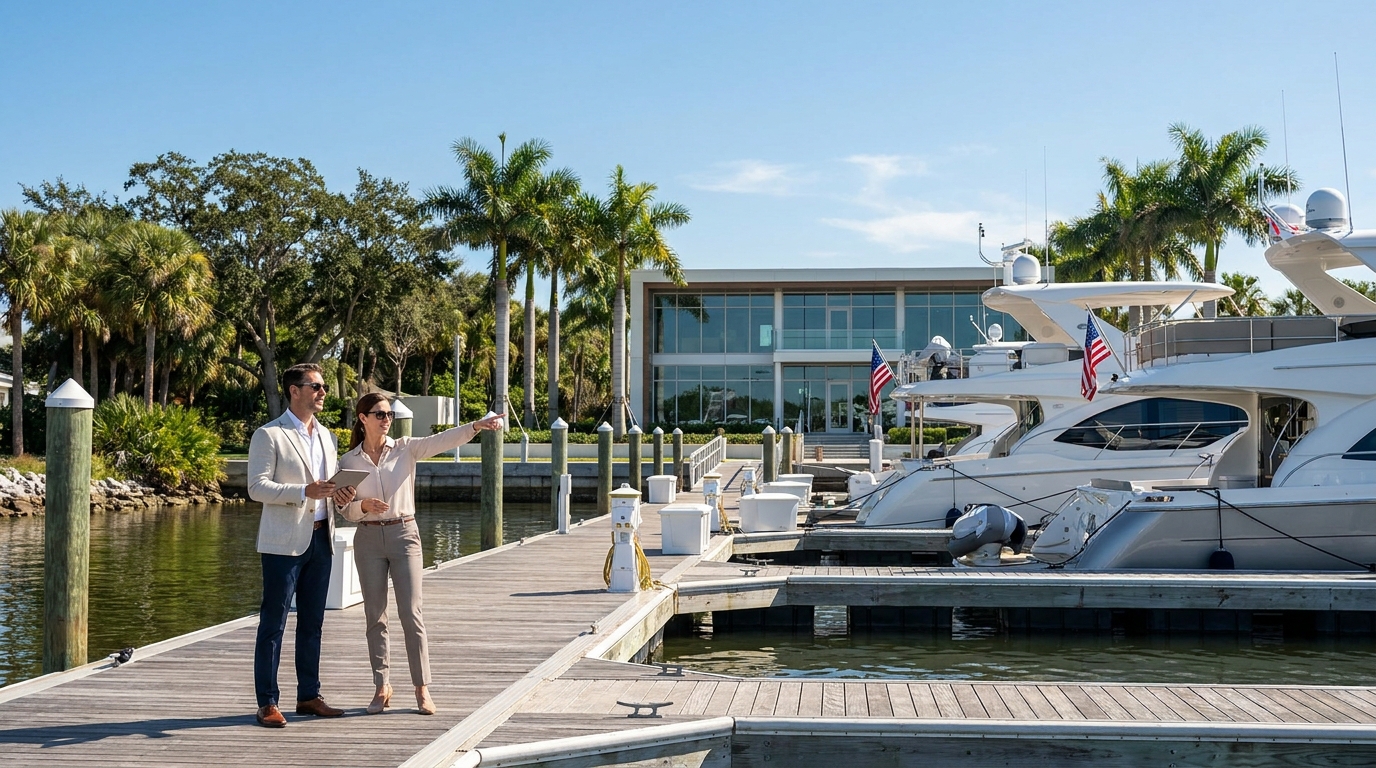
- Confirm marina access for showings and sea trials. A Palm Harbor buyer benefits from a broker who can stage vessels at Harborage Marina or comparable Tampa Bay facilities without scrambling for slip access.
- Test their knowledge of local operating conditions. Ask about no-wake zones, manatee protection areas, and hurricane haul-out plans. If they hesitate, they're not working this coast often enough.
- Verify insurance and hurricane-plan literacy. Underwriters on the Gulf Coast frequently require approved hurricane plans including haul-out arrangements and secure marina agreements. Your broker should know which yards accept storm-season contracts.
Timing Your Search Around the Gulf Coast Calendar
Palm Harbor buyers and sellers operate on a rhythm dictated by two forces: hurricane season and the snowbird cycle. Hurricane season influences everything from insurance binder timing to seller motivation — many sellers prefer to list before or after peak storm months, and buyers who close in late spring often face tighter insurance underwriting.
The snowbird pattern drives the other side of the equation. Buyers from colder states typically enter the market in late fall and through winter, pushing demand and sometimes prices upward on quality inventory. If you're buying, starting your broker conversations in late summer positions you to move on the right boat before winter demand tightens supply. If you're selling a trawler or cruiser in the Palm Harbor area, listing ahead of the winter arrival window generally exposes you to the widest buyer pool.
What to Expect at Different Price Points
Gulf Coast pricing reflects the market's practical, cruising-oriented character. Late-model outboard fishing boats and small cruisers in the 20–30 foot range generally run from roughly $30,000 to $150,000 for quality brands. Mid-size cruising motor yachts and trawlers in the 35–50 foot range move into low-to-mid six figures. Larger motor yachts and sportfish vessels from 50 to 80 feet range from mid six figures into seven figures depending on age, pedigree, and refit history.
These are ranges, not quotes. Your broker's job is to translate them into a realistic budget for the specific vessel type, model year, and condition you're targeting — and to flag when a listing is priced outside reality for the current Gulf Coast market.
Frequently Asked Questions
Do I need a broker based in Palm Harbor specifically?
Not necessarily. Because the largest brokerage offices sit in St. Petersburg, Clearwater, and Tampa, most Palm Harbor buyers work with brokers based nearby who cover the full Tampa Bay corridor. What matters is Gulf Coast familiarity and reliable access to local marina infrastructure, not a Palm Harbor mailing address.
Who pays the broker's commission?
In a typical U.S. yacht brokerage transaction, the seller pays commission — generally 8–10% of the final sale price — which is split between the listing broker and the buyer's broker when both are involved. Buyers should still confirm this in writing before signing any representation agreement.
Is a survey really necessary on a used boat?
Yes, for essentially anything larger than a small outboard. A marine survey protects your purchase, informs your insurance binder, and gives you documented grounds to renegotiate or walk away. Any Gulf Coast broker who discourages a survey is a broker you should discourage from your shortlist.
Moving Forward
The right broker turns a complicated transaction into a smooth voyage — clear paperwork, honest pricing, a survey you trust, and a boat that's ready when you are. On the Gulf Coast, that means someone who knows Tampa Bay's marinas, respects Florida's tax and documentation rules, and treats your search as more than a listing to churn.
Buyers and sellers in Palm Harbor who want that kind of representation can reach Worldwide Yacht Sales at worldwideyachtsalesinc.com to start a conversation about their vessel, their timeline, and the next stretch of water ahead.