Find a Reputable Yacht Broker in Saint Petersburg, FL
How to verify a Florida yacht broker's DBPR license, bond, and credentials before you sign — a practical vetting checklist for Saint Petersburg buyers.
To verify a yacht broker's credentials in Florida, confirm the individual holds an active license issued by the Florida Department of Business and Professional Regulation (DBPR) under Chapter 326, Florida Statutes, verify their surety bond is on file, and confirm any salesperson is working under a licensed employing broker. All three checks can be done before you ever step aboard.
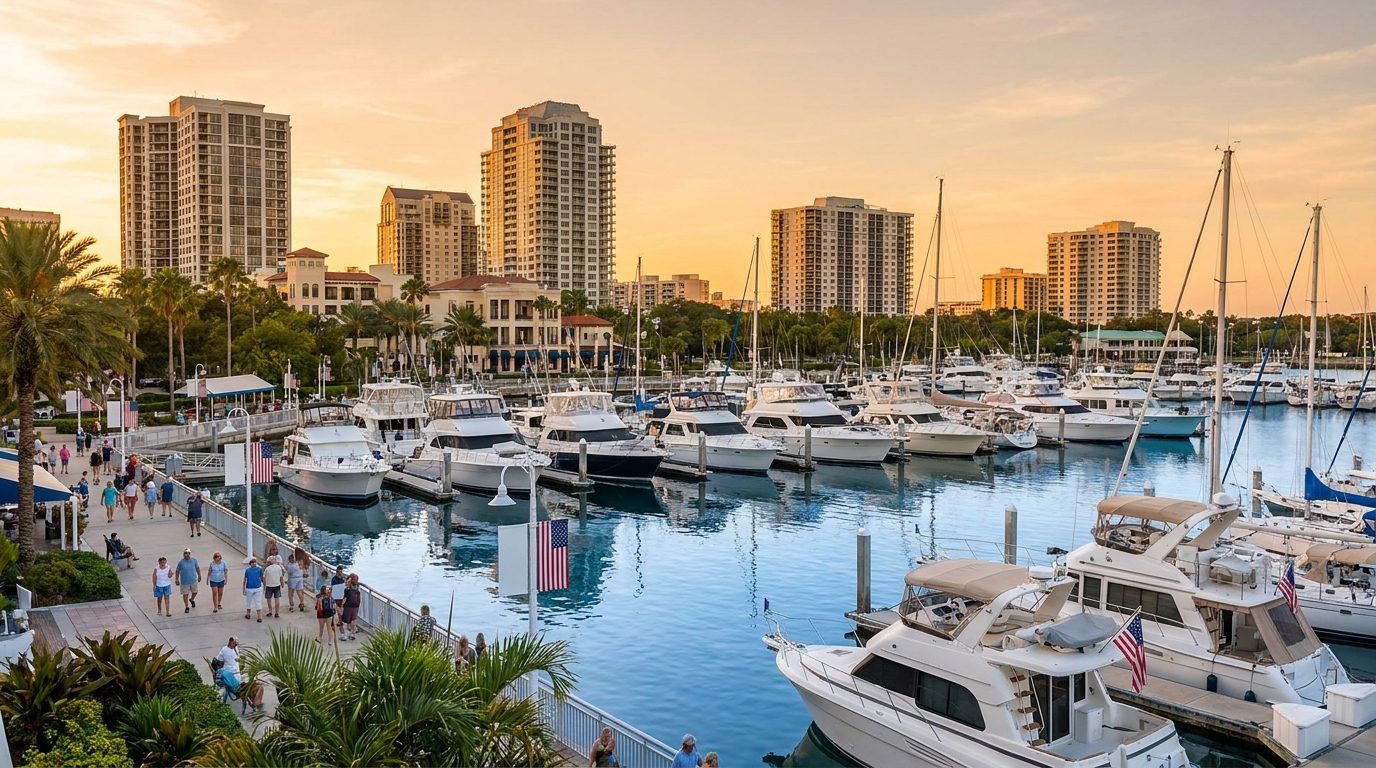
Buying or selling a yacht is a serious voyage — often a six- or seven-figure one. In Saint Petersburg, where the Central Yacht Basin, Vinoy Basin, and Maximo Marina keep the Gulf Coast brokerage market humming year-round, the question isn't whether there are brokers to choose from. It's how you separate the licensed professionals from someone who simply prints "yacht broker" on a business card.
What does Florida law actually require of a yacht broker?
Under Chapter 326, Florida Statutes, no person may act as a yacht or ship broker, salesperson, or employing broker in Florida without a valid license issued by the DBPR. The program is administered under Florida Administrative Code Chapter 61B-60. A license is personal, non-transferable, and does not follow a broker to a new employer or survive a business sale.
That last point matters. A broker who was licensed last season at one firm must hold a current, active license tied to their current employment. Worldwide Yacht Sales operates within this framework — a useful reference point for what a properly credentialed brokerage looks like in practice.
How do you verify a Florida yacht broker's license?
Verify a Florida yacht broker by searching the DBPR's online license lookup for the individual's name and confirming the license is active, unexpired, and issued under Chapter 326. Check that a salesperson is listed under a licensed employing broker, and ask for the license number in writing before signing any listing or purchase agreement.
A few practical steps for buyers and sellers in Saint Petersburg:
- Ask the broker directly for their DBPR license number and the employing broker's name.
- Confirm the license status is current on the DBPR site — expired or lapsed licenses are not a technicality; they're a legal disqualification.
- Renewals must be postmarked no less than 30 days before expiration on DBPR Form YS 6000-6, so a broker whose renewal is late is operating in a gray zone at best.
What credentials and paperwork should a legitimate broker be able to show you?
A legitimate Florida yacht broker should produce, on request, a current DBPR license, evidence of the required surety bond or irrevocable letter of credit, and — for a salesperson — the name of the licensed employing broker overseeing their work. All Florida applicants file DBPR Form YS 6000-1, submit fingerprints for background screening, and pay the required fees before licensure.
Here is a quick reference to what stands behind a Florida license:
| Credential Element | Requirement | Governing Rule |
|---|---|---|
| Initial application | DBPR Form YS 6000-1, fees, fingerprints | Rule 61B-60.004 |
| Broker surety bond | $25,000 (per secondary sources summarizing the rule) | Rule 61B-60.004 |
| Salesperson surety bond | $10,000 (per secondary sources summarizing the rule) | Rule 61B-60.004 |
| Renewal | DBPR Form YS 6000-6, postmarked 30+ days before expiration | Chapter 61B-60 |
| Salesperson supervision | Must work under a licensed employing broker | Chapter 326, F.S. |
The bond amounts above are drawn from secondary sources summarizing Rule 61B-60.004 and should be confirmed against the current rule text before you rely on them. The bond itself exists to protect people who suffer loss from violations of the Act — it is, in effect, a financial guardrail for you.
Why does the employing-broker relationship matter?
Under Chapter 326, Florida Statutes, a yacht salesperson must operate under a licensed employing broker who carries additional office and recordkeeping obligations. That means the salesperson you meet at a boat show or on a Saint Petersburg dock is only half the credential story — the firm behind them is the other half, and both must be licensed and in good standing.
When you evaluate a firm, ask who the employing broker is, how long the salesperson has been affiliated with that firm, and where escrow funds are held. A reputable operation answers those questions without hesitation.
What signals separate a reputable Florida broker from a risky one?
A reputable Florida yacht broker will name their DBPR license number without prompting, work under a clearly identified employing broker, use written listing and purchase agreements with escrowed deposits, and carry a verifiable track record of closed transactions. Warning signs include vague answers about licensure, pressure to wire deposits outside escrow, and no physical office or documented business history.
Reputation is not a substitute for a license, but it complements one. Worldwide Yacht Sales, for example, has built a reputation around communication, remote-transaction handling, and closing documentation — the practical mechanics that separate a smooth voyage from a stressful one. That last phrase — "by the book" — is precisely what credential verification is really testing for.
What should Saint Petersburg buyers watch for locally?
Saint Petersburg buyers should factor in Gulf Coast hurricane season (June through November), which affects survey scheduling, insurance binding, and haul-out availability, and should confirm any broker they engage is licensed in Florida — not just in another coastal state. Local marinas from the Vinoy Basin to Maximo require documented ownership and insurance before a slip transfers, so credential paperwork has real downstream consequences.
Timing also matters. Snowbird season pushes brokerage activity from late fall into spring, and sea trials on Tampa Bay are easier before summer thunderstorm patterns settle in. A broker who understands the local rhythm — not just the paperwork — is worth prioritizing.
Frequently Asked Questions
How do I check if a yacht broker is licensed in Florida?
Check a Florida yacht broker's license through the Department of Business and Professional Regulation (DBPR), which administers licensing under Chapter 326, Florida Statutes, and Florida Administrative Code Chapter 61B-60. Search by the individual's name, confirm the license is active and unexpired, and verify that any salesperson is listed under a licensed employing broker before you sign anything.
Is a yacht broker license required for every boat sale in Florida?
Florida requires a DBPR-issued license for anyone acting as a yacht or ship broker, salesperson, or employing broker under Chapter 326. The statute applies to used vessels of a defined size class, and the dossier of requirements does not enumerate every statutory exception. Confirm the specifics of your transaction directly against Chapter 326, Florida Statutes, or with a licensed broker before assuming an exemption applies.
What surety bond does a Florida yacht broker have to carry?
Florida yacht brokers must furnish a surety bond or irrevocable letter of credit as a condition of licensure and renewal under Rule 61B-60.004. Secondary sources summarizing the rule report the bond amount at $25,000 for brokers and $10,000 for salespersons; the current amounts should be verified against the rule text. The bond protects parties who suffer loss from violations of the Act.
How often do Florida yacht broker licenses need to be renewed?
Florida yacht broker and salesperson licenses must be renewed using DBPR Form YS 6000-6, together with the renewal fee and a bond, letter of credit, or continuation certificate. The completed renewal application must be postmarked no less than 30 days before the current license expires. A lapsed or late renewal is a serious credential gap and worth flagging before you sign a listing or offer.
Can a licensed yacht salesperson work independently?
No. A licensed yacht salesperson in Florida must work under a licensed employing broker, who carries additional office and recordkeeping obligations under Chapter 326, Florida Statutes. Licenses are personal and non-transferable and do not move with a business sale or change of employer, so the salesperson-broker affiliation must be current and verifiable at the time of your transaction.
What documents should I ask a Saint Petersburg yacht broker for before signing?
Ask any Saint Petersburg yacht broker for their current DBPR license number, the name of the employing broker, evidence of the required surety bond, and a written listing or purchase agreement with clear escrow instructions. Reputable brokers provide these without pushback. If a broker resists documenting credentials or wants deposits sent outside escrow, treat it as a stop signal, not a negotiation point.
Closing the loop
Credential verification is not paperwork for its own sake — it is the difference between a transaction backed by Florida law and one that leaves you exposed. Confirm the DBPR license, confirm the bond, confirm the employing-broker relationship, and confirm all of it is current. Buyers and sellers in Saint Petersburg who want the process handled by a Florida-licensed team can reach Worldwide Yacht Sales at https://worldwideyachtsalesinc.com to begin the conversation.