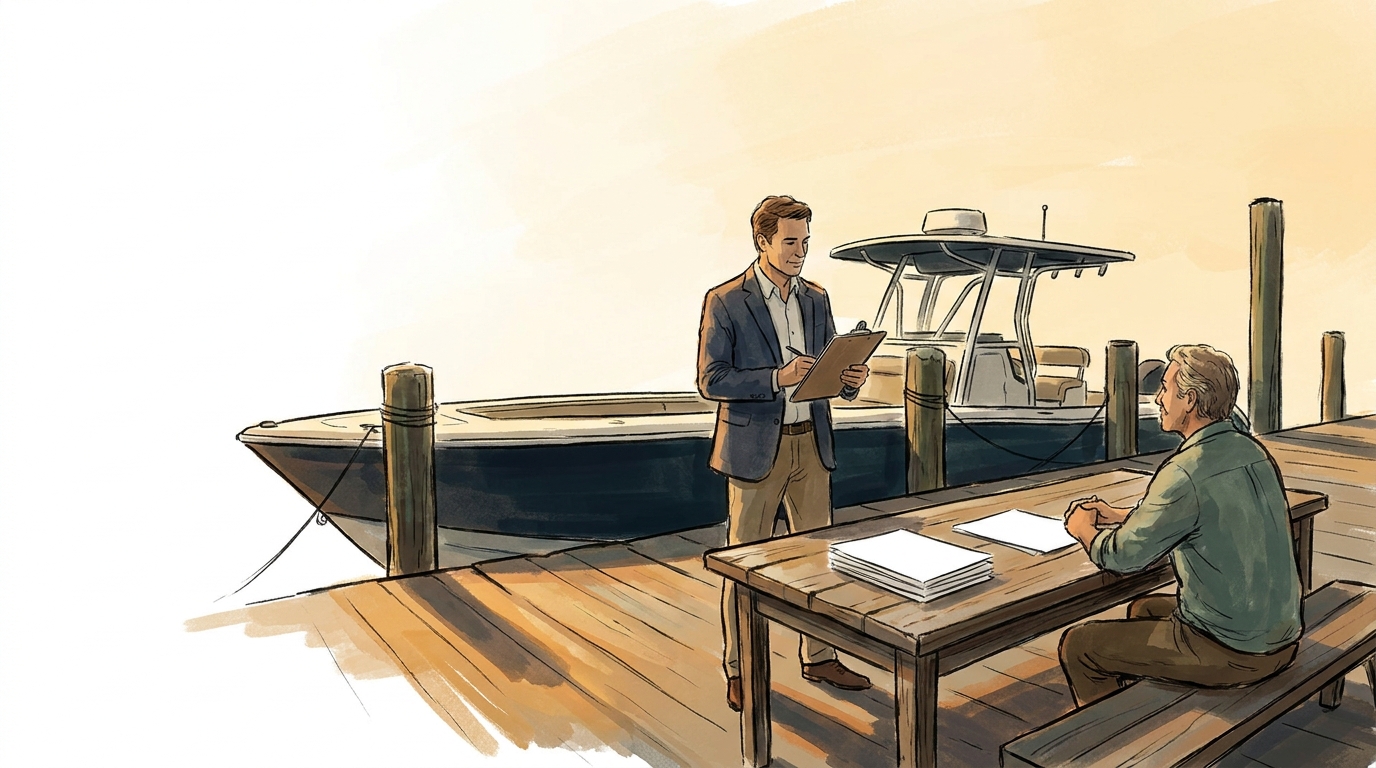
Yacht Buying Steps: From Search to Sea Trial
A step-by-step guide to the yacht buying process — from defining your mission profile to sea trial and closing — written for buyers in St. Petersburg, FL.
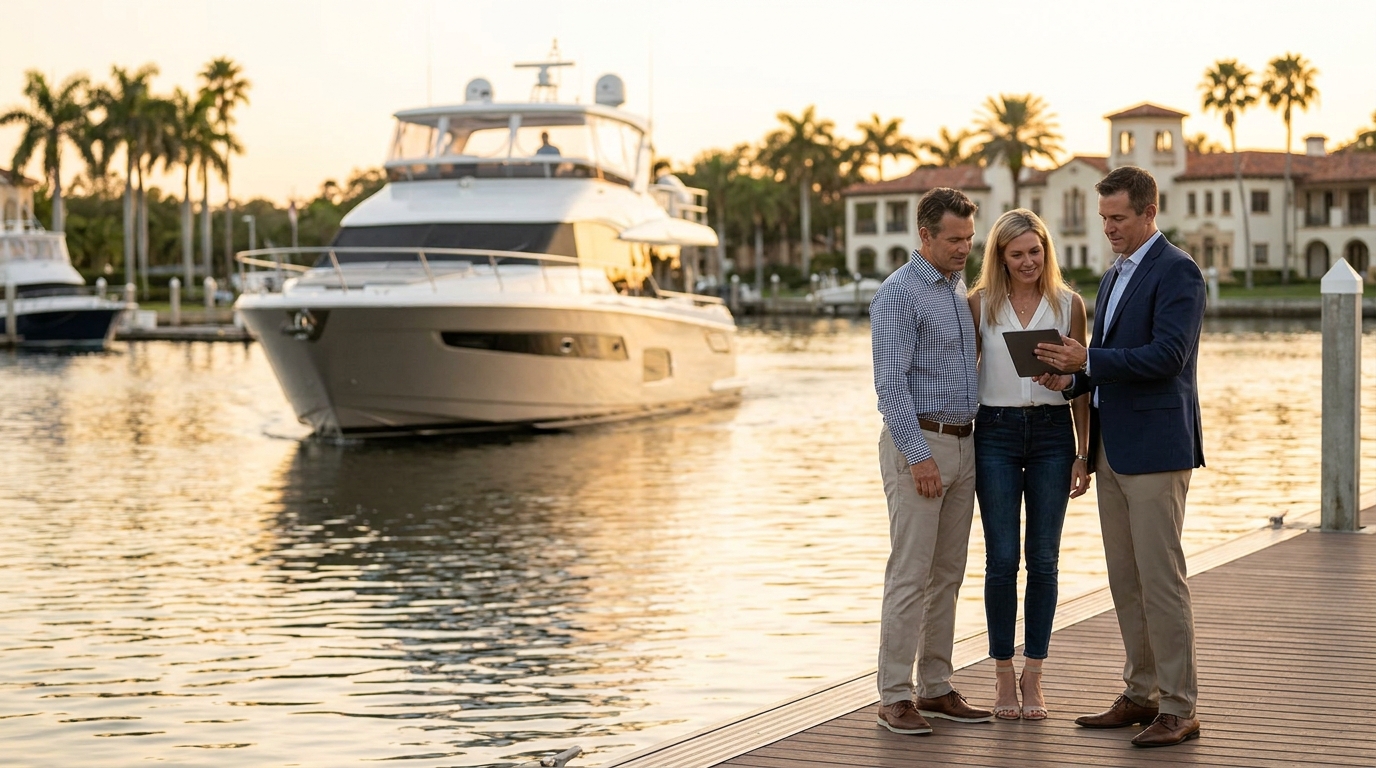
Buying a yacht is rarely a quick decision. For most buyers along Florida's Gulf Coast, it's a months-long process that blends emotional aspiration with hard financial diligence — and the order in which the steps happen matters as much as the steps themselves. A buyer who falls in love with a hull before defining a mission profile, or who skips a proper survey to close before hurricane season, often pays for that shortcut later.
This guide walks through the yacht buying process step by step, framed for the realities of the St. Petersburg market: the boat shows at the Vinoy Basin, the haul-out yards along Salt Creek, the insurance underwriting calendar that tightens every June, and the brokers who know which listings on Yachtworld are actually ready to move.
Step 1: Define the Mission Before the Make
The first step in any serious yacht acquisition process is defining how the vessel will actually be used. Weekend cruising to Egmont Key looks nothing like a Bahamas crossing, which looks nothing like a Loop run. Hull form, fuel capacity, draft, and air clearance are dictated by that mission — not the other way around.
Buyers in the Tampa Bay area should pay particular attention to draft. Large swaths of the Intracoastal between St.
Mission profile questions worth answering on paper
- Day cruising, overnight, extended coastal, or offshore?
- How many guests sleep aboard, and how often?
- Owner-operated, or will a captain be hired?
- Slip already secured, or still searching? (Slips in downtown St. Pete and the Vinoy basin are scarce.)
- Trailerable, or permanent wet slip?
Step 2: Set a Realistic Total Budget
The purchase price is only part of the true cost of yacht ownership. Insurance, dockage, fuel, haul-outs, bottom paint, electronics updates, and crew (if applicable) make up the balance. A defensible budget breaks all of this out before any offers are written.
County discretionary surtax rules vary, and registration through the Pinellas County Tax Collector follows the closing. Buyers should confirm current figures with their broker and a marine-qualified accountant before signing, since tax structuring on documented vessels can shift the math materially.
Step 3: Engage a Broker Who Represents You
One of the most misunderstood parts of the buying yacht guide process is representation. In most yacht transactions, the listing broker works for the seller. A buyer's broker — engaged separately — represents the purchaser's interests through negotiation, survey, and closing, and is typically compensated out of the existing commission rather than as an additional fee.
This distinction matters more on used yachts than new builds. A buyer's broker reviews the vessel's documentation history, flags listings that have been on the market suspiciously long, and pushes back on inflated asking prices using comparable sales data the public can't see. Worldwide Yacht Sales, based in Treasure Island, is one of the firms that handles buyer representation across both Gulf Coast and remote transactions — including arranging shipping for buyers who find the right hull in Florida but live elsewhere.
Step 4: Search Listings With Discipline
The search phase is where most buyers lose months. Yachtworld, Boat Trader, and broker MLS systems collectively list thousands of vessels in the size and style ranges most St. Pete buyers consider. Without filters tied to the mission profile from Step 1, the search becomes scrolling rather than evaluating.
Each one should have verified hours, a known maintenance history, and a known reason for sale. Brokers who work the Gulf Coast regularly can often tell a buyer within a phone call whether a listed vessel is realistically priced or has been quietly passed over by every serious buyer in the region.
Step 5: Make a Conditional Offer
Yacht offers are written subject to survey, sea trial, and financing — three contingencies that protect the buyer's deposit. A deposit is required, held in escrow by the broker or a documentation agent. The offer also specifies acceptance and closing deadlines, timed to accommodate financing and survey scheduling.
Buyers should resist the urge to skip contingencies to look more competitive. On larger vessels especially, the survey and sea trial routinely uncover findings that change the price — and a clean contingency structure gives the buyer leverage to either renegotiate or walk away with the deposit intact.
Step 6: Survey and Sea Trial
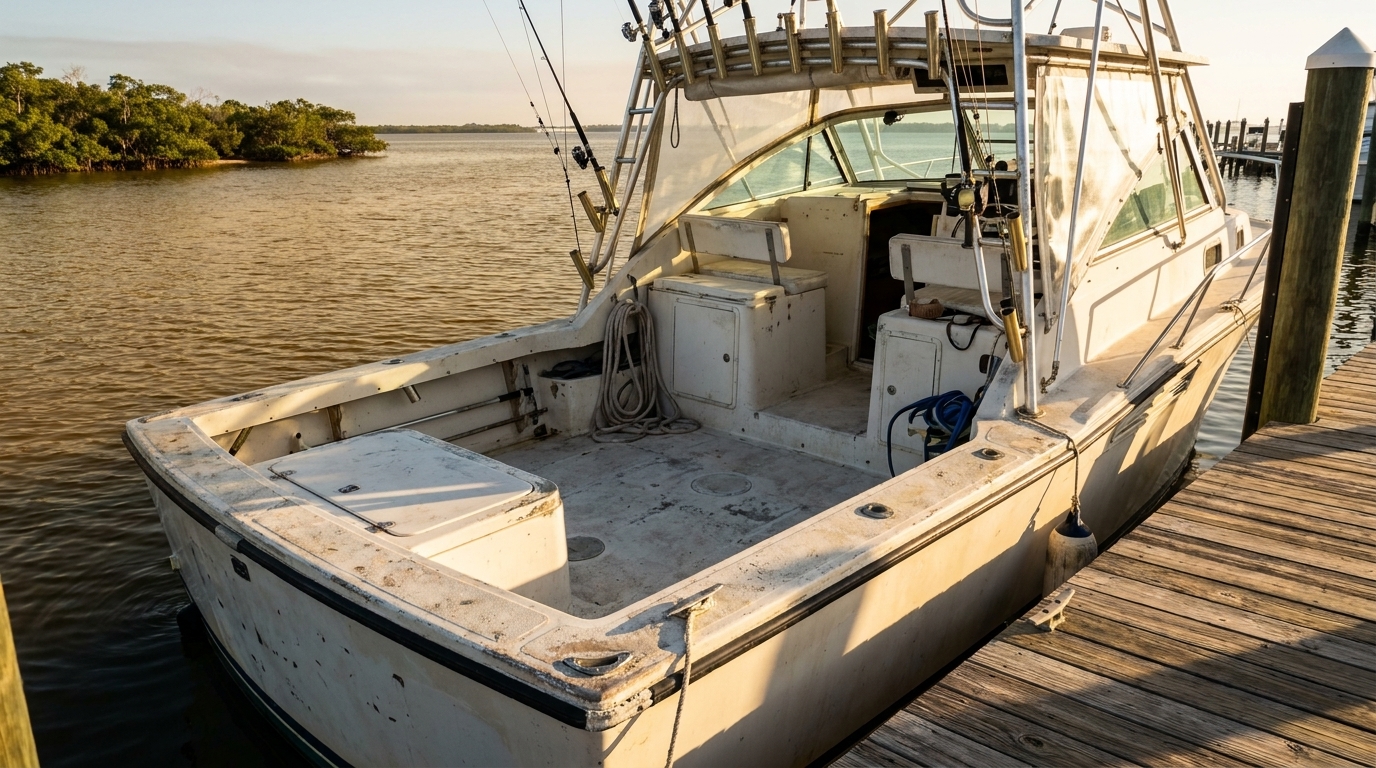
The marine survey is the technical heart of the yacht purchase steps. A SAMS- or NAMS-accredited surveyor inspects the hull, structural members, systems, electronics, and safety equipment, typically over a full day with the vessel hauled out at a yard like those along Salt Creek or in Gulfport. Engine surveys — including oil sampling and compression testing — are usually contracted separately to a diesel mechanic.
The sea trial happens the same week. The buyer, surveyor, broker, and often a mechanic run the vessel through a full operational profile: cold start, slow-speed handling, cruise, wide-open throttle, electronics, and systems under load.
Step 7: Renegotiate, Accept, or Reject
After surveys, the buyer has three options under most contracts: accept the vessel as-is, reject and recover the deposit, or submit a written list of conditions for the seller to address. Conditional acceptance is the most common path — sellers either complete repairs, credit the buyer at closing, or reduce the price.
An experienced broker is most valuable at this stage. They know which findings are normal wear on a ten-year-old hull and which are genuine deal-breakers, and they translate the survey report into a negotiation position the seller will actually consider.
Step 8: Close, Document, and Take Delivery
Closing on a documented vessel involves a Coast Guard bill of sale, satisfaction of any existing liens, Florida titling or USCG documentation transfer, insurance binding, and final wire of funds. Most St. Petersburg closings are handled by a professional documentation agent who coordinates between the brokers, the lender (if financed), and the Coast Guard's National Vessel Documentation Center.
Buyers planning to keep the vessel in Florida should bind insurance before closing — and should expect underwriters to ask detailed questions about hurricane plans, named-storm haul-out arrangements, and captain qualifications, particularly between June and November.
Frequently Asked Questions
How long does the yacht buying process typically take?
From serious search to closing, several months is realistic for a used yacht with financing. Cash deals on in-stock vessels can close considerably faster. New builds and semi-custom orders run considerably longer.
Can I buy a yacht remotely from outside Florida?
Yes, and it's increasingly common. Worldwide Yacht Sales holds a 4.8★ rating from 28 Google reviews as of May 2026, and that feedback includes multiple buyers who completed long-distance transactions. One customer wrote of a remote purchase from Florida to Rhode Island: "The boat was in even better condition than expected." Remote buyers should still insist on an independent surveyor at the haul-out and, when possible, attend the sea trial in person.
Do I need a buyer's broker if I already found the boat?
Usually yes. Even on a vessel a buyer has already identified, a buyer's broker provides representation through survey, negotiation, and closing — typically at no additional cost to the buyer, since the commission is paid by the seller.
What's the best time of year to buy in St. Petersburg?
Inventory peaks in late fall as snowbirds arrive and sellers list ahead of season. Negotiating leverage is often strongest in late summer, when sellers facing another hurricane season are more motivated to close.
What should I bring to a yacht sea trial as a first-time buyer?
Bring the surveyor's preliminary checklist, a notepad for observations, and any questions about systems you've identified during the showing. Wear non-marking soles, plan for a full day, and avoid scheduling a sea trial on a Friday afternoon — if a mechanical issue surfaces, you want yards and mechanics reachable. Your broker should help structure the agenda before you board.
How does financing a yacht differ from financing a car or home?
Marine lenders evaluate the vessel as collateral — age, condition, and survey findings all affect approval. Loan terms for larger vessels can extend for many years, and lenders typically require a documented survey before funding. Working with a broker experienced in marine financing, such as the team at Worldwide Yacht Sales, helps buyers understand what documentation lenders require before an offer is submitted.
Working With a Broker in St. Petersburg
The yacht acquisition process rewards patience, structure, and good representation. Buyers who define their mission, budget honestly, engage a buyer's broker early, and respect the survey-and-sea-trial discipline rarely regret the boat they end up with.
Buyers in the St. Petersburg area who want professional representation through search, negotiation, survey, and closing can reach Worldwide Yacht Sales at https://worldwideyachtsalesinc.com to discuss their search criteria and next steps.
"